Toddler Takes Diaper Off at Night? What to Dress Them In
Why a toddler pulls their diaper off at night, from a wet diaper to a brand-new undressing skill, and the sleepwear that closes the exits without a fight.
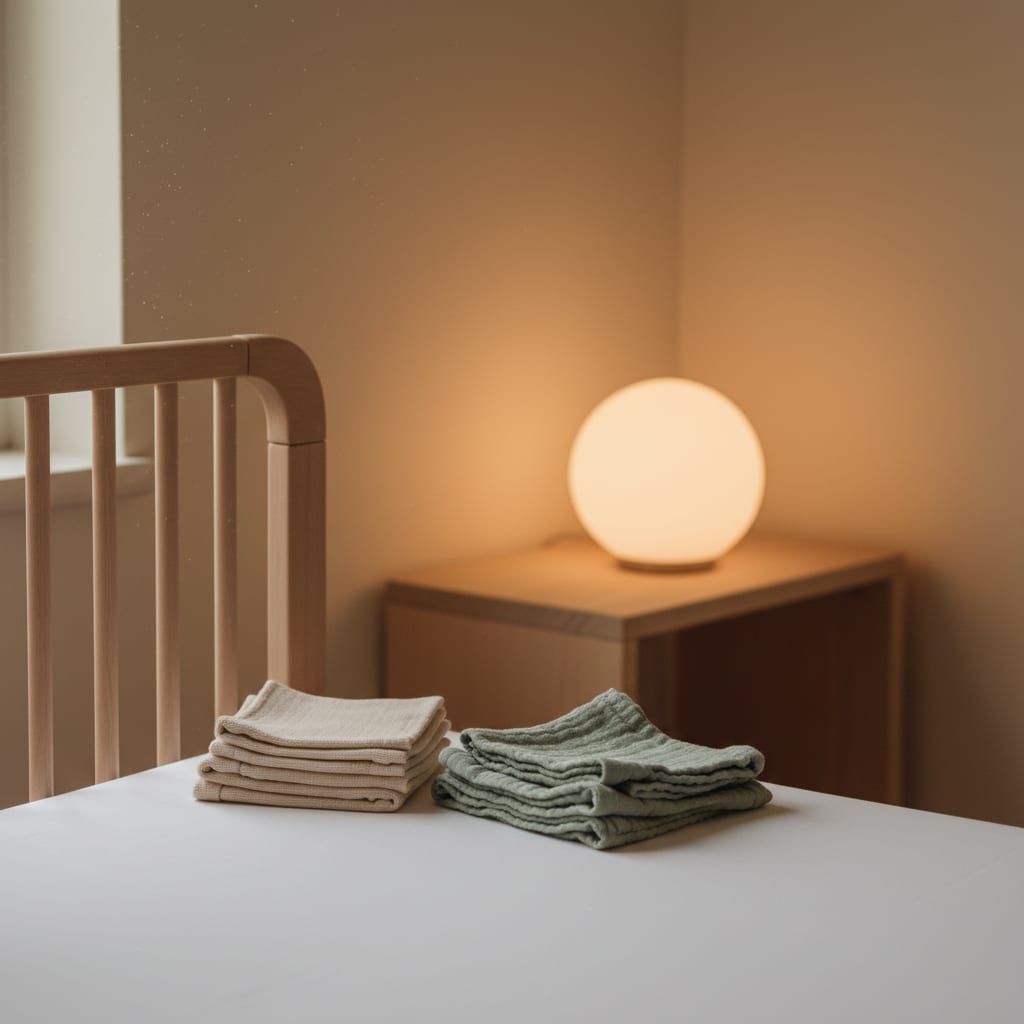
Short answer: a toddler who takes their diaper off at night is usually telling you one of three things: the diaper feels wet or sore, they have just learned to undress and are practicing, or they are too hot. Check the diaper and the skin first. Then fix the access from the wardrobe side: swap a two-piece set for a snug-fit one-piece, add a snap-crotch bodysuit underneath, and for a truly determined escape artist, use a back-zip romper as the base layer, with the zipper out of reach. It is a clothing problem far more often than a behavior one.
Why toddlers start taking their diaper off at night
It is a new skill, and new skills get practiced. The CDC’s milestone list for 30 months includes a child who “takes some clothes off by himself, like loose pants or an open jacket.” Taking clothes off arrives well before putting them back on. For a few months, the diaper tabs are the most interesting fastening in the crib, and the quiet dark is prime practice time.
The diaper is wet, full or sore. The AAP’s HealthyChildren site lists a child who “does not like to be in wet diapers and wants to be changed” as one sign of toilet-training readiness, right next to a child who can “help undress themselves.” Put those two signs together at 2 a.m. and you get a diaper on the floor. A rash makes it worse: HealthyChildren says moisture from a wet diaper left on too long can make skin chafe.
They are hot. Overnight stripping is a classic overheating tell. A child in fleece in a heated room takes off whatever they can reach, and the diaper is reachable. The fabric side of that is in our child sweating at night guide.
It gets a reaction. If a bare bottom reliably brings a parent back in, the fix is the boring response further down, not a better garment.
Is it a sign they’re ready to ditch night diapers?
Usually not on its own. Day and night are different jobs. HealthyChildren notes that although most children are toilet trained between 2 and 4, some can’t stay dry at night until they are older, and that even after dry nights for days or weeks, many start wetting again. Its advice is simply to go back to training pants and try again later. The NHS says many children under 5 wet the bed.
Betteroo’s guide to why staying dry overnight runs on a different clock explains the biology: bladder growth and the hormone that slows urine production overnight both mature on their own timeline. The sign worth watching for is waking up dry several mornings in a row. Stripping the diaper off is not that sign.
Fix the diaper first
Size up, or switch to an overnight diaper. A diaper that is soaked by 3 a.m. is an uncomfortable one. HealthyChildren says a more absorbent diaper does a better job of keeping skin dry, and warns against a diaper that is too tight, “especially overnight.” An overnight style like Huggies Overnites is built for that job. If the tabs leave red marks on the waist or thighs, go up a size.
Check the skin. If there is a rash, HealthyChildren’s advice is a thick layer of barrier paste, with zinc oxide or petrolatum as the ingredients to look for, and fragrance-free as the best choice. It suggests applying it “like icing on a cupcake.” A zinc oxide paste such as Triple Paste fits that description.
Make the diaper the last thing on. Change it right before lights-out, after the last drink, so bedtime starts with a dry one.
Then close the exits: the sleepwear ladder
Start on rung one and only climb if you need to. Each step adds one more fastening between small hands and the diaper tabs.
Rung 1: a one-piece instead of a two-piece
A two-piece set has a waistband, which is a direct route to the diaper. For a child who refuses pajamas we usually suggest a soft two-piece, but for a diaper stripper, a footed one-piece means finding the zipper, opening it fully and getting both legs out.
A snug-fit cotton multipack like Simple Joys by Carter’s footed pajamas gives you the same cut every night. An organic cotton option is the Burt’s Bees Baby snug-fit footed sleeper.
Fit Notes: a fabric flap folded over the zipper pull at the chin is worth having, because a pull that is tucked away is harder to find in the dark. A sleeper that is too long in the body sags at the crotch and gives hands room to work, so buy the true size.
Rung 2: a onesie layer underneath
A short-sleeve snap-crotch bodysuit under the pajamas adds a second set of fastenings below the first. The catch is size: plenty of baby bodysuit lines stop at 24 months. Toddler-sized versions exist, such as the Terrible 2’s toddler short-sleeve bodysuit, which the brand describes as having snaps “to keep your toddler’s diaper in place.”
Fit Notes: short sleeves, not long. Every layer you add is warmth you have added, and warmth is one of the reasons children strip. If the bodysuit goes on, take the pajamas or the sleep sack down a weight. The sleep sack TOG guide has the numbers by room temperature.
Rung 3: a back-zip romper as the base layer
For the child who defeats rungs one and two, back-zip clothing puts the zipper along the spine, where a toddler cannot reach it. Snugabye’s lightweight organic cotton back-zip romper is a good example. The brand says a fabric flap covers the zipper and the leg length “helps limit access to diapers,” and describes it as ideal “as play wear or an undergarment.”
That last word is the key to using it at night. Wear it under snug-fit pajamas or a sleep sack, as the onesie layer, rather than as the pajamas themselves. The reason is the US sleepwear rule. In toddler sizes, children’s sleepwear must be either flame-resistant or snug-fitting. Snug-fit sets carry a hangtag with the Consumer Product Safety Commission’s required wording: “For child’s safety, garment should fit snugly. This garment is not flame resistant.” A romper sold as playwear hasn’t made that promise. Pajamas sold as sleepwear have.
Make the night change boring
The garment fixes access. Your reaction decides whether stripping turns into a game.
- Same words, every time. “Diaper stays on at night.” Then redress quietly in dim light, with no 2 a.m. negotiation.
- Keep a spare set folded by the bed, so a 3 a.m. change is quick.
- No blame. HealthyChildren’s advice on night wetting applies here too: support, not punishment.

When to call the doctor
Most diaper stripping is a phase. Call your pediatrician if:
- the rash looks like more than irritation. HealthyChildren says a yeast rash tends to be shiny and bright red with sharp edges, often worse in the skin folds. Yellow crusting, weeping or pimples can point to a bacterial infection, which needs a doctor to confirm and treat.
- peeing seems to hurt. Pain, burning or straining when your child pees is one of the signs HealthyChildren lists for a call.
- a child who was fully dry starts wetting again. HealthyChildren says to talk to the doctor if a child toilet trained for 6 months or longer suddenly starts wetting the bed. The NHS gives the same 6-month line.
FAQ
Why does my toddler take their diaper off at night?
Usually because it feels wet or sore, because they have just learned to take clothes off, or because they are too hot. Check the diaper fit and the skin, then the room temperature, before treating it as behavior.
Is taking the diaper off a sign of potty training readiness?
It can go with daytime readiness, but nighttime dryness comes later. Several dry mornings in a row is the better signal.
How do I stop my toddler from taking their diaper off?
Swap a two-piece for a snug-fit footed one-piece, add a snap-crotch bodysuit underneath, and if needed use a back-zip romper as the base layer.
Can a toddler sleep in a back-zip romper?
Use it as a layer under snug-fit pajamas or a sleep sack, rather than as the pajamas. US children’s sleepwear must be snug-fitting or flame-resistant, and a romper sold as playwear doesn’t claim either.
Keep Reading

The New-Mom Gift Guide: What She Actually Wants in 2026
Gifts new moms actually use — no novelty mugs. The Betteroo sleep app that saved us, the robe that isn't hideous, and more picks grouped by budget.
School Drop-Off Outfits: Look Awake in 90 Seconds
School drop-off outfits that take ninety seconds: the two-piece rule, eight get-out-of-the-car combinations, and the three things that undo the whole look.
Aritzia Effortless Pants Review: Fit Notes From a Mom
An honest Aritzia Effortless Pant review after months of real wear — how they fit, how they wash, who they flatter, and whether the viral hype holds.