Bad Night? How to Reset the Day Without Over-Napping
After a broken night the fix is an earlier bedtime, not a longer nap. How to reset the day without wrecking the next one — and still get out the door dressed.
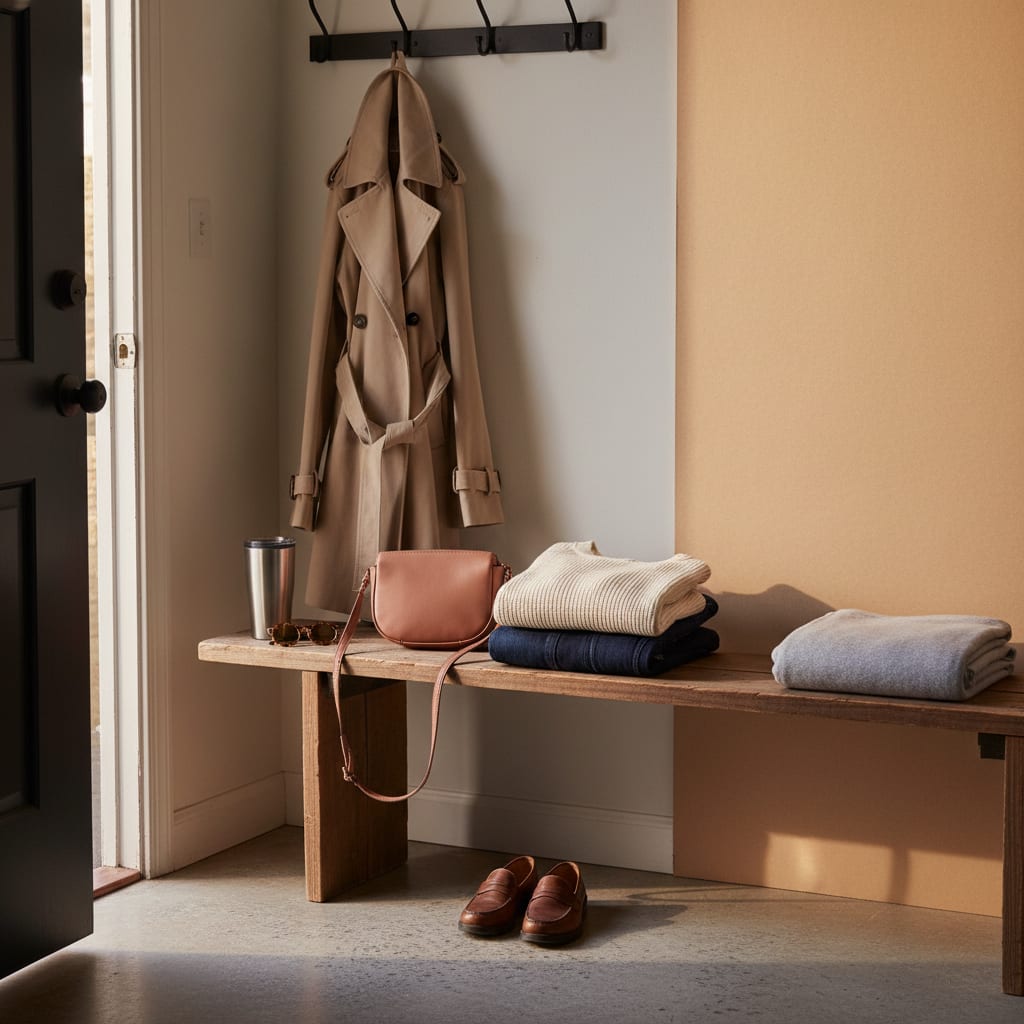
Short answer: keep the wake-up time, cap the naps, and pay the debt back at bedtime instead. After a broken night the instinct is to let everyone sleep in and let the naps run as long as they like. That borrows sleep from tonight to fund this afternoon, and it’s how one bad night becomes four. The reset is boring and it works: normal-ish wake time, daylight early, naps at their usual length, and bedtime moved 20–30 minutes earlier. Then you get dressed in three pieces and leave the house.
Why the long recovery nap backfires
Sleep pressure builds across the waking hours and gets spent during sleep. A three-hour nap at 11 a.m. spends the pressure that was supposed to carry your baby into bedtime — so at 7 p.m. there’s nothing left in the tank, bedtime takes forty-five minutes, and the night is fragmented again.
The same is true of a late wake-up. Letting the morning drift by ninety minutes pushes every wake window and every nap later, and the day ends with a bedtime that’s too late for a baby who’s already short on sleep.
There’s a second trap. If the bad night came from overtiredness rather than a one-off — a missed nap, a stretched wake window, a day out — then stretching the next day further makes it worse, not better. An overtired baby fights sleep harder and wakes more, which reads as “not tired enough” and tempts you into keeping them up longer. Betteroo’s guide to the overtired spiral is worth reading if last night’s wake-ups came after an unusually busy day.
The recovery day, hour by hour
Wake within about 30 minutes of normal. Not to the minute — but if she usually wakes at 6:30, get the day started by 7:00 rather than letting it run to 8:15. This is the anchor everything else hangs off.
Get outside early. Morning light is the strongest signal the body clock has, and it’s free. A ten-minute walk to the corner counts. It also means you’ve left the house before the day gets away from you, which matters more than it sounds.
Move the first nap earlier, not longer. A shortened wake window is the right compensation for a rough night — offer the first nap 15–30 minutes before you normally would. Let it run its usual length, or at most 15–20 minutes over.
Cap the naps at normal length. This is the one people find hardest, because a sleeping baby after a sleepless night is the most tempting thing on earth. Cap it anyway. The sleep you protect is tonight’s.
Don’t let a nap run past late afternoon. For most babies past the newborn stage, sleep that ends too close to bedtime eats the pressure bedtime depends on. If a nap is still going at the point where it would normally have ended by an hour, wake her.
Pay the debt at bedtime. Move bedtime 20–30 minutes earlier. This is the single most effective lever on a recovery day, and it’s the opposite of what most of us do. An earlier bedtime after a bad night usually produces a longer night, not an earlier wake-up.
Change nothing structural. One bad night is data of one. Don’t drop a nap, don’t add a nap, don’t move the whole schedule. If it’s the third or fourth bad night in a row, that’s a pattern, and it’s worth checking the wake windows for her age against what you’re actually running.
Making the capped nap actually happen
A nap you intend to cap still has to start, and a bright room is what usually stops it. The lever with the highest return here is darkness — not a new routine, not a longer wind-down.
A portable blackout panel is the cheap version of this, and the one worth owning because it travels: a suction-cup shade like the Amazon Basics portable blackout curtain goes up in about a minute and comes down just as fast, which matters if you’re darkening a room you also live in. The full small-space version of this problem is in baby sleep in a small apartment.
The other half is the transfer. If the recovery nap only happens on you, that’s not a failure — it’s just today’s answer. It becomes a problem when it’s the only answer, and the gentle way out of that is in how to stop contact naps.

Now get dressed — the three-piece rule
The day after a bad night is the day you have to be at drop-off, or the pediatrician, or the grocery store, looking like a person. You are not going to make good decisions in front of a closet this morning, so don’t make any.
Three pieces, one of which has structure. A bottom, a top, and a third piece with a shoulder line — a denim jacket, a trench, a blazer, a longline cardigan. The third piece is what does all the work. Without it, the same two pieces read as “got up late”; with it, they read as an outfit.
Pick colors that don’t need matching. This is the argument for a wardrobe built around a small set of neutrals: on a normal day it saves you two minutes, and on this day it’s the difference between leaving on time and not.
Wear a hard-soled shoe. A loafer, a flat, a leather sneaker. Foam-soled trainers and slides are the two things that make a tired outfit look tired. Nothing else in the outfit signals as loudly as the shoe.
One accessory, then stop. Gold hoops or sunglasses. On a bad-night morning, sunglasses genuinely are the accessory.
Skip the hair decision entirely. A low bun or a claw clip is a choice you can make with your eyes shut, and it looks deliberate in a way that a half-attempted blow-dry doesn’t.
The expanded version of this — eight outfits, all assembled in about ninety seconds — is in school drop-off outfits.
What not to do on a recovery day
- Don’t cancel everything. A day at home with a wired, undertired baby is longer than the walk you were dreading.
- Don’t start something new. Sleep training, a room change, a nap drop: none of these belong on a day when both of you are running on empty.
- Don’t chase the lost sleep with caffeine past mid-afternoon. You need tonight’s sleep as much as she does.
- Don’t take the day as a verdict. Bad nights happen for reasons that never show up again — a tooth, a growth spurt, a hot room, a big day.
FAQ
Should I let my baby sleep in after a bad night?
A little — but keep the wake-up within roughly 30 minutes of normal. A long lie-in pushes every nap and the bedtime later, which usually costs you the following night too. It’s better to move bedtime earlier than to let the morning drift.
How long should naps be after a bad night?
Their usual length, or at most 15–20 minutes longer. Offer the first nap slightly earlier rather than letting it run longer, and don’t let a nap end so close to bedtime that there’s no sleep pressure left for the night.
Is an earlier bedtime better than a longer nap?
For most babies, yes. Night sleep is where the deficit is best repaid, and an earlier bedtime after a rough night tends to produce a longer night rather than an earlier wake-up. Twenty to thirty minutes earlier is usually enough.
Should I change the schedule after one bad night?
No. One bad night is almost never a schedule problem — it’s a tooth, an illness, a big day or nothing identifiable at all. If you get three or four in a row, that’s the point to compare your wake windows against what’s typical for the age.
How do I function the next day?
Anchor the morning, get outside early, keep the plan you already had, and cut the number of decisions you have to make — including what to wear. Three pieces, one with structure, a hard-soled shoe, one accessory. Get dressed before the day starts and it stays a tired day rather than a lost one.
Keep Reading

The New-Mom Gift Guide: What She Actually Wants in 2026
Gifts new moms actually use — no novelty mugs. The Betteroo sleep app that saved us, the robe that isn't hideous, and more picks grouped by budget.

Ugg Tasman Dupes That Pass the Side-by-Side Test
The UGG Tasman dupes that hold up next to the real thing — the braided-collar lookalikes worth buying, the ones that flatten fast, and when to just buy UGG.
Golden Goose Dupes: Messy-Cool Sneakers for Way Less
Golden Goose dupes with the same messy-cool star sneaker look for way less, compared on comfort, materials and how the distressing ages with wear.