How to Stop Contact Naps Gently — and Get Your Arms Back
How to stop contact naps without tears — a gentle, step-by-step weaning plan from a mom who's done it twice, and how to get your arms and coffee back.
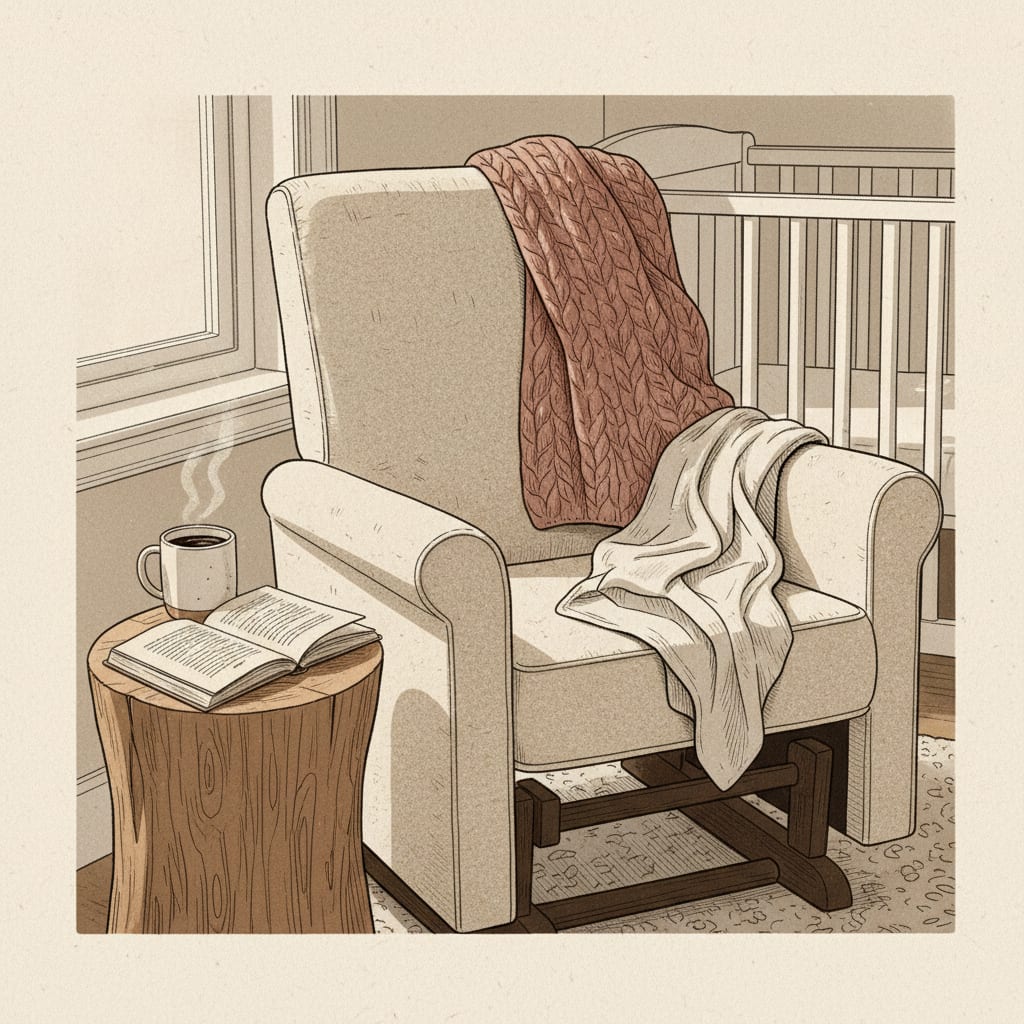
To stop contact naps without tears, you wean gradually instead of quitting cold turkey: shrink your role in the nap one step at a time — held-to-sleep becomes held-until-drowsy, becomes crib-with-your-hand-on-chest, becomes crib-with-you-nearby, becomes crib. One step every few days, starting with the first nap of the day, and expect the whole process to take a couple of weeks, not one dramatic afternoon. That’s the plan. The rest of this post is the how, the why, and what to do with your reclaimed arms.
First, because the internet is mean about this: contact naps are not a bad habit you caused. They’re biology — babies sleep beautifully on a warm parent, and snuggling your baby to sleep is one of the genuinely great perks of the job. This isn’t a rescue mission from something shameful. It’s just that somewhere between month four and month ten, many of us look down at our trapped arm, our cold coffee, and the third consecutive hour of being furniture, and decide the snuggle-to-independence ratio needs adjusting. Both things are true: the naps were lovely, and you’re allowed to want your body back.
Why “just put her down” fails
The famous crib fail — asleep in your arms, gently lowered, eyes snap open like a haunted doll — happens because being held is the sleep cue. Warmth, heartbeat, motion: that’s the whole bedtime routine, worn as an outfit. Take it away at the exact moment of sleep and, from the baby’s side, the rules changed mid-game. Weaning works because it changes the cue gradually, while awake, so the baby practices the new skill instead of being ambushed by it.
The step-down ladder
Move one rung every three or four days, and start with the first nap of the day — it comes with the most sleep pressure and the best odds:
- Held until drowsy, not asleep. Do the usual routine, but lower her into the crib groggy-but-awake. This is the hardest rung; the rest are easier.
- Crib, with your hand on her chest. Your warmth and presence, minus the full-body contact. Shushing and patting are allowed and encouraged.
- Crib, with you beside it. Sit close, boring and calm. You’re a presence, not a participant.
- Crib, with you drifting. Step out before sleep actually happens. Congratulations: you are now a routine, not a mattress.
Expect protest at each new rung — protest is not the same as distress, and you never have to leave a genuinely upset baby to cry alone for this to work. Go back a rung for a day if a step collapses, then try again. Sick days, teething weeks, and travel all pause the ladder; they don’t reset it to zero.
Timing matters more than technique
A perfectly executed ladder fails on a wrong-time nap. If the wake window is too short, there’s no sleep pressure to work with; too long, and you’re weaning an overtired gremlin. This is honestly where I stopped freelancing and let Betteroo run the schedule — it’s the personalized baby-sleep program I first recommended in my new-mom gift guide, and it builds a day-by-day plan around your baby’s age and temperament, then adjusts it as she grows. Having the nap times handled meant I only had to execute the ladder, not also debate wake windows with myself at 11 a.m. To be fair: it’s a subscription, and if your baby’s schedule is already dialed in, you may only need the ladder above. For me, the combination was the difference between two weeks and two months.

Keep one, on purpose
A weaning plan is allowed an exception clause. Plenty of families land on crib naps as the default and one deliberate contact nap — weekend mornings, the post-swim-lesson collapse — as the treat. Scheduled snuggling is a completely different experience from mandatory snuggling: one is a luxury, the other is house arrest in a glider. Keep the one you’d miss.
What to do with your arms (a style blog’s epilogue)
You didn’t come to a wardrobe site by accident, so: the contact-nap era probably shrank your daytime uniform to whatever survives being slept on — the butter-soft matching sets earned their keep for a reason. When naps move to the crib, your mornings quietly reopen: hot coffee, two free hands, and clothes chosen instead of endured. If your closet needs the same gentle retraining your baby just got, the capsule wardrobe method is the ninety-second version of getting dressed like yourself again. Both of you are learning to do things independently now. Growth all around.
FAQ
What age should you stop contact naps?
There’s no deadline. Newborn contact naps are developmentally normal and worth savoring; most families who want a change start weaning somewhere in the four-to-nine-month range, when naps consolidate and the crib skill gets learnable. The right age is when it stops working for you.
How long does it take to wean off contact naps?
With a gradual step-down, typically a couple of weeks — a few days per rung of the ladder. Some babies leap rungs; others repeat one. Faster than that usually means tears; slower usually means a timing problem, not a baby problem.
Do I have to sleep train to stop contact naps?
No. The step-down method is gradual and stays responsive throughout — you’re beside the crib, hands-on, the whole way. You never have to leave a distressed baby alone for it to work; you’re shrinking your role, not vanishing.
Are contact naps bad habits?
No — they’re normal, biologically sensible, and genuinely good for bonding. “Habit” just means “what your baby currently expects,” and expectations can be retrained gently whenever the arrangement stops working for the person providing the arms.
Keep Reading

The New-Mom Gift Guide: What She Actually Wants in 2026
Gifts new moms actually use — no novelty mugs. The Betteroo sleep app that saved us, the robe that isn't hideous, and more picks grouped by budget.

Fall Capsule Wardrobe for Moms: 24 Pieces, 60 Outfits
A 24-piece fall capsule wardrobe for moms: the exact piece list, the two-neutral color rule that makes it mix, and six formulas that get you to 60 outfits.
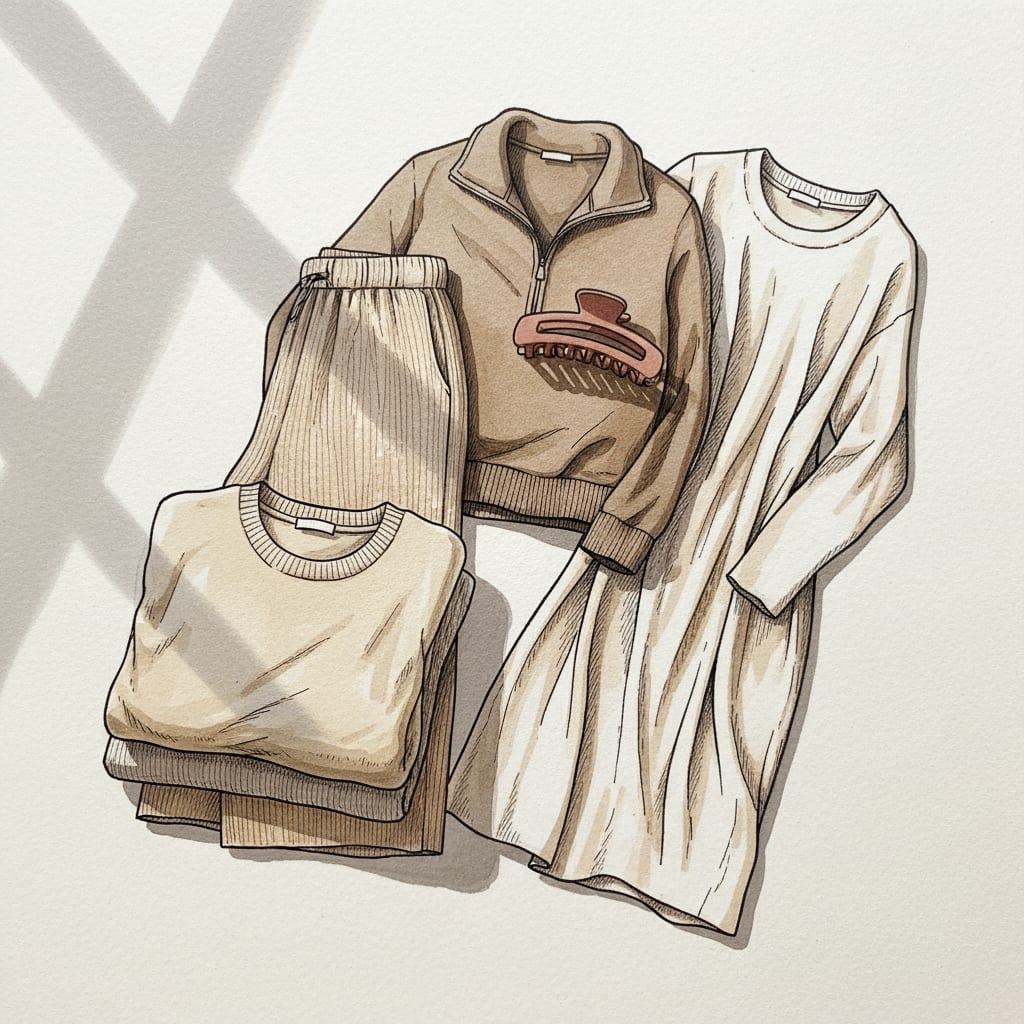
Spanx Air Essentials Dupes: 7 Cheaper Sets I'd Rebuy
Seven Spanx Air Essentials dupes tested through months of real washes: which butter-soft sets keep their drape, which ones pill, and when to buy real.