Dark at 4 p.m.: Why Bedtime Slides and How to Fix It
When the sun sets at four, bedtime starts drifting. Why early darkness moves your child's evening, the two ways it goes wrong, and how to hold the clock.
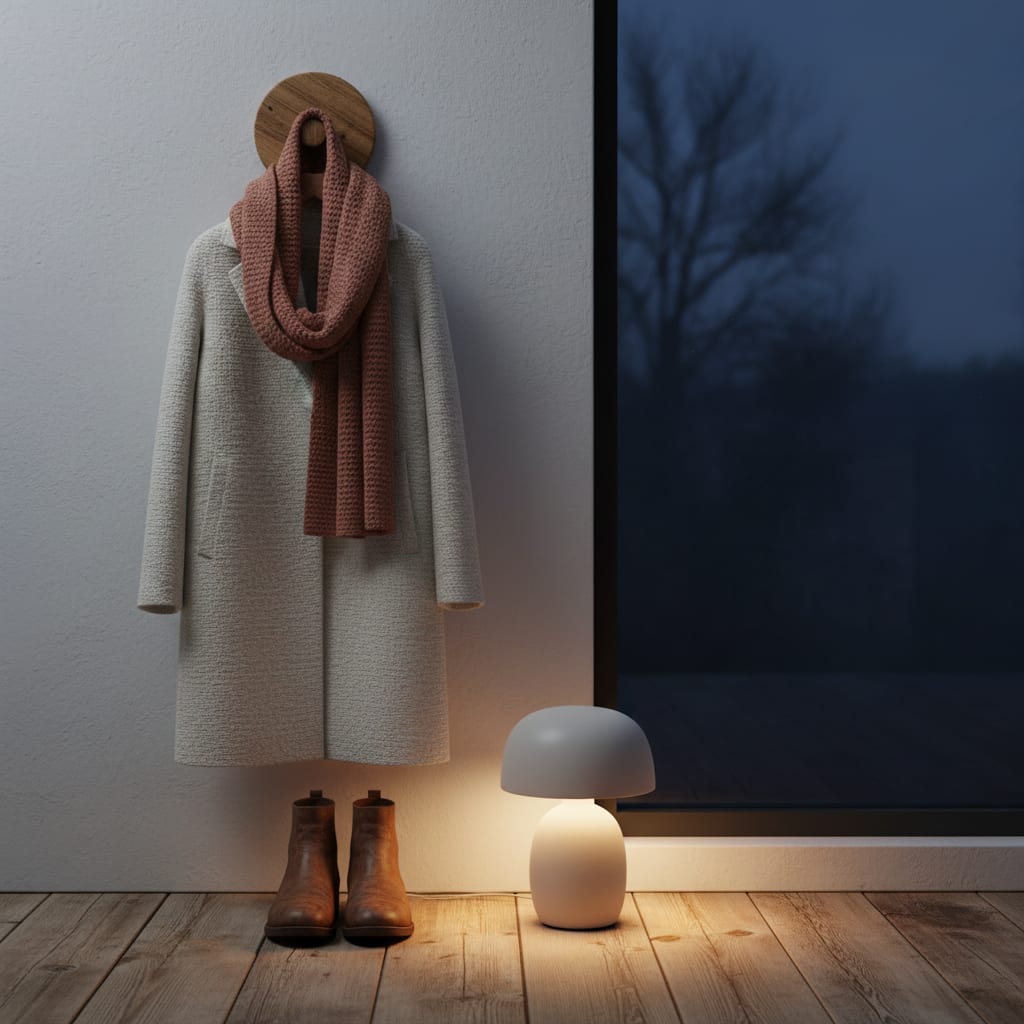
Short answer: early darkness does not change how much sleep your child needs — it changes the cues they read, so they act tired an hour before bedtime and the whole evening slides forward. The fix is to hold the clock time you already had, get real daylight into the morning, and dim the house on purpose in the last hour instead of letting a black 4 p.m. window do it for you. Two failure modes cause almost all of the damage: the too-early crash, and the accidental car nap on the way home.
Why the sky stopped matching your schedule
Bodies keep time by light. The National Institute of General Medical Sciences puts it plainly: “Light and dark have the biggest influence on circadian rhythms”, and in the evening the brain’s master clock responds to falling light by producing more melatonin, which is what sleepiness actually feels like.
For most of the year the sky and your schedule roughly agree. Then late autumn arrives, the sun goes down at 4:35, and your four-year-old’s body starts running the evening program while there are still two hours of the day left. Nothing has gone wrong with them. The signal just arrived early.
The important part, and the part that is easy to forget at 5 p.m. with a child melting down on the kitchen floor: the sleep need itself has not moved. A child who needed eleven hours in July needs eleven hours in November. If you let bedtime drift an hour earlier because it feels dark, you have not given them more sleep — you have just moved the wake-up to 5:30 a.m.
The two ways it goes wrong
The too-early crash. Darkness plus a warm house plus dinner is a powerful combination, and a child who normally holds it together until 7:15 falls apart at 5:40. The temptation is to run bedtime immediately, because it looks like exhaustion. Sometimes it is. Usually it is a cue mismatch, and the child who goes down at six wakes at five and is genuinely overtired by the following evening.
The accidental car nap. This one does more damage and gets noticed less. Pickup happens in the dark, the car is warm, and a fifteen-minute doze between the parking lot and your driveway takes the edge off exactly the sleep pressure that bedtime depends on. Now bedtime takes ninety minutes and nobody knows why. If your child is at the age where naps are ending anyway, this is also the season it starts happening for the first time.
Hold the clock, not the sky
Four things, in the order that they matter.
Keep the same bedtime clock time, within about fifteen minutes. This is the whole strategy and everything else supports it. The consistency is the active ingredient — the American Academy of Pediatrics’ guidance for families is to “keep to a regular daily routine” with the same waking time, mealtimes and nap times. If 7:15 worked in September, 7:15 works in November.
Get outside in the morning. Morning light is the counterweight to a 4 p.m. sunset, and it is free. Fifteen or twenty minutes outdoors before or right after drop-off does more for the evening than anything you do in the evening. On a genuinely awful morning, a walk to the end of the street counts.
Move the routine’s start, not its length. If the whole day has genuinely shifted earlier — earlier dinner, earlier bath — a 20-to-30-minute earlier bedtime is a reasonable seasonal adjustment. Make it once and keep it, rather than sliding a bit further every week. And do not compress the routine to catch up; a rushed wind-down is a slower bedtime, not a faster one.
Break the car nap. Windows cracked, cold air, a conversation, the loud playlist. If they are old enough, a snack in the car works better than anything else.
If your household is heading into the clock change on top of all this, how the hour shift plays out for young children is worth reading before the weekend it happens rather than the Monday after.
Light the evening on purpose
Counterintuitively, when the sun sets at four, most houses respond by turning every overhead light on full and staying at daytime brightness until the second bedtime starts. That is a bright-then-black cliff, and it is harder on a small body than a gradual fade would be.
Run it the other way. From about an hour before bedtime, switch to lamps rather than ceiling lights, and let the house get progressively dimmer as the routine progresses — hallway lamp, then bedside lamp, then out. You are rebuilding the dusk that November took away.
In practice a single dimmable, warm-toned light in the bedroom does most of this work; a Hatch sound machine and night light (now sold as the Hatch Baby) covers the dim-light half and the white-noise half in one object, and the same lamp can run a morning colour cue for a child who now wakes in pitch darkness and assumes it is still night. Any low warm bulb on a lamp you can reach from the chair does the job too.
And if the 5:40 meltdowns have you considering supplements: that is a pediatrician conversation, not a shopping decision. What is actually known about melatonin for young children is a better starting point than a bottle in a cart.

What you wear to a 4 p.m. pickup
You knew this was coming. The dark-pickup uniform is a real thing and it has three requirements the rest of the year does not.
One light or bright outer layer. Not a style preference — a cream, camel or rust coat is visible to a car at 4:30 in a way that a black puffer is not, and you are standing in a parking lot with children. If your coat is dark, the scarf or hat is where the light colour goes.
Boots you can stand still in for twenty minutes. Standing in the cold is a completely different job from walking in the cold, and most sneakers fail it. The winter boots that actually hold up are the ones with a real footbed, not the ones with the most shearling.
A layer you can drop the second you are indoors, because you are going straight from a freezing sidewalk into a hot kitchen to start bedtime. A cardigan or vest under the coat, rather than a heavier coat, is what makes that survivable.
Everything else is the same 90-second formula as the rest of the year — the school-run outfits that read awake work in November too, with the coat doing more of the visual work. And if the evening is running long, the recovery version of the next morning is in how to reset after a bad night.
FAQ
Should bedtime be earlier in winter?
Only if the whole day has shifted earlier too. Sleep need does not increase because the sun sets sooner, so an earlier bedtime without an earlier morning just moves the wake-up. A one-time 20-to-30-minute seasonal shift is reasonable; a weekly drift is not.
Why is my child suddenly exhausted at 5 p.m.?
Falling light triggers the evening hormone cascade, and in late autumn that cascade starts around two hours before you are ready for it. It usually settles within a couple of weeks if the clock time holds steady and mornings include real daylight.
Does the early sunset cause early waking?
Indirectly. Early darkness pulls bedtime earlier, and an earlier bedtime produces an earlier wake-up. The morning is dark too, so nobody connects the two. Holding bedtime is what fixes the 5 a.m. wake, not blackout blinds.
Should I skip the nap because it is dark so early?
No — dropping a nap for a seasonal reason usually backfires into an overtired evening. Shortening or capping a late nap is the gentler lever, and stopping the accidental car doze is more effective than either.
How long does it take to settle?
Most families see it even out in one to two weeks of consistent clock time plus morning daylight. If it is still going sideways after three weeks, something other than the season is driving it.
Keep Reading

The New-Mom Gift Guide: What She Actually Wants in 2026
Gifts new moms actually use — no novelty mugs. The Betteroo sleep app that saved us, the robe that isn't hideous, and more picks grouped by budget.
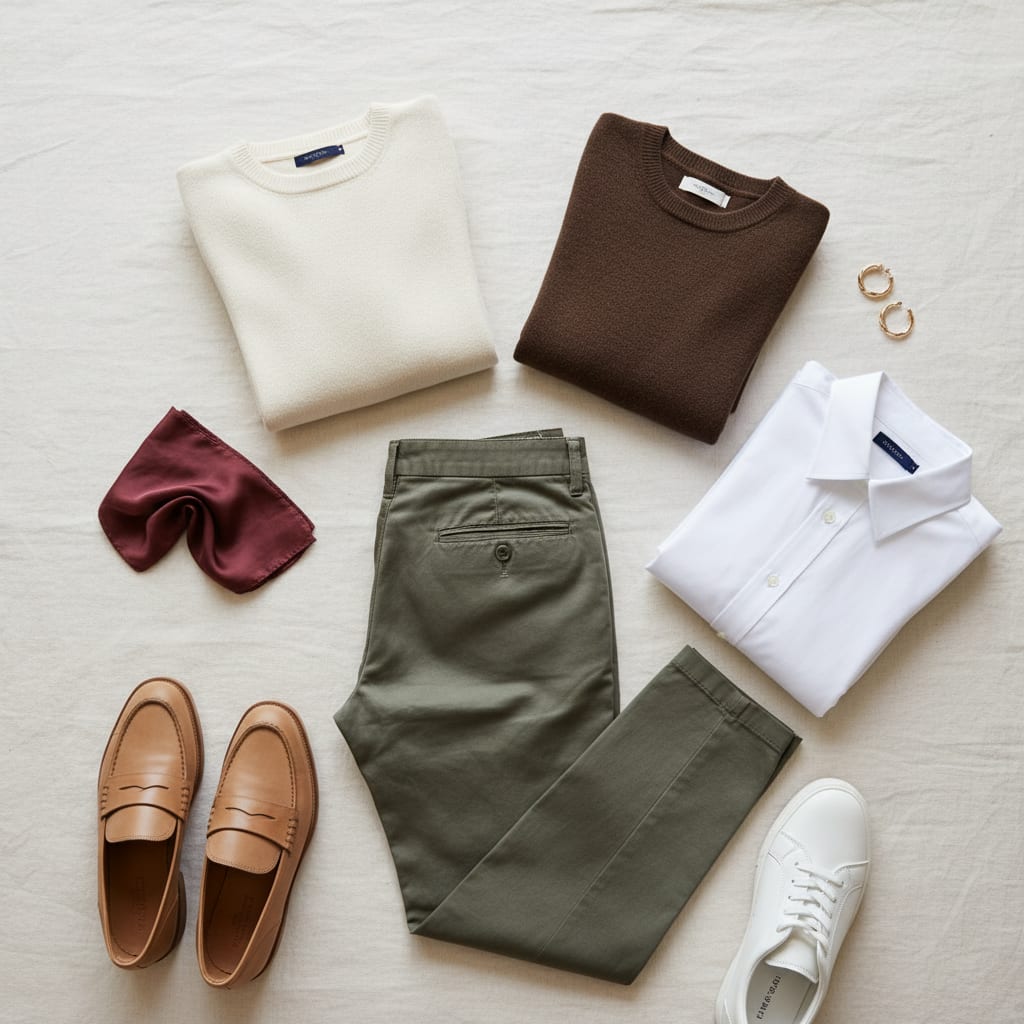
What to Wear With Olive Green Pants: 9 Easy Combos
The colors that genuinely work with olive green pants, nine outfits to copy, the shoes to reach for, and the two combinations that make olive look like uniform.
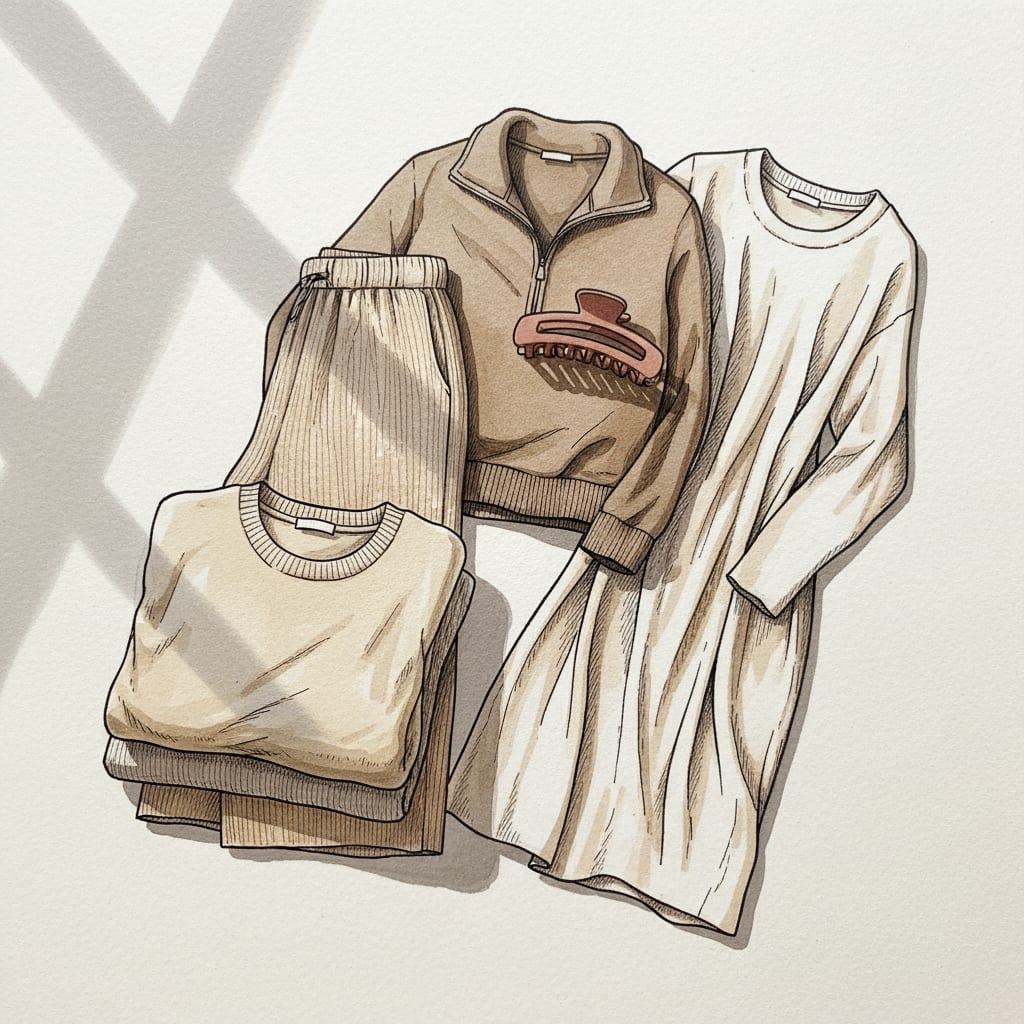
Spanx Air Essentials Dupes: 7 Cheaper Sets I'd Rebuy
Seven Spanx Air Essentials dupes tested through months of real washes: which butter-soft sets keep their drape, which ones pill, and when to buy real.