Best Winter Coats for Women Who Do the School Run
The best winter coats and winter jackets for women, picked by job: slushy school runs, real cold, mild-and-wet winters and dinner out, plus what to check first.
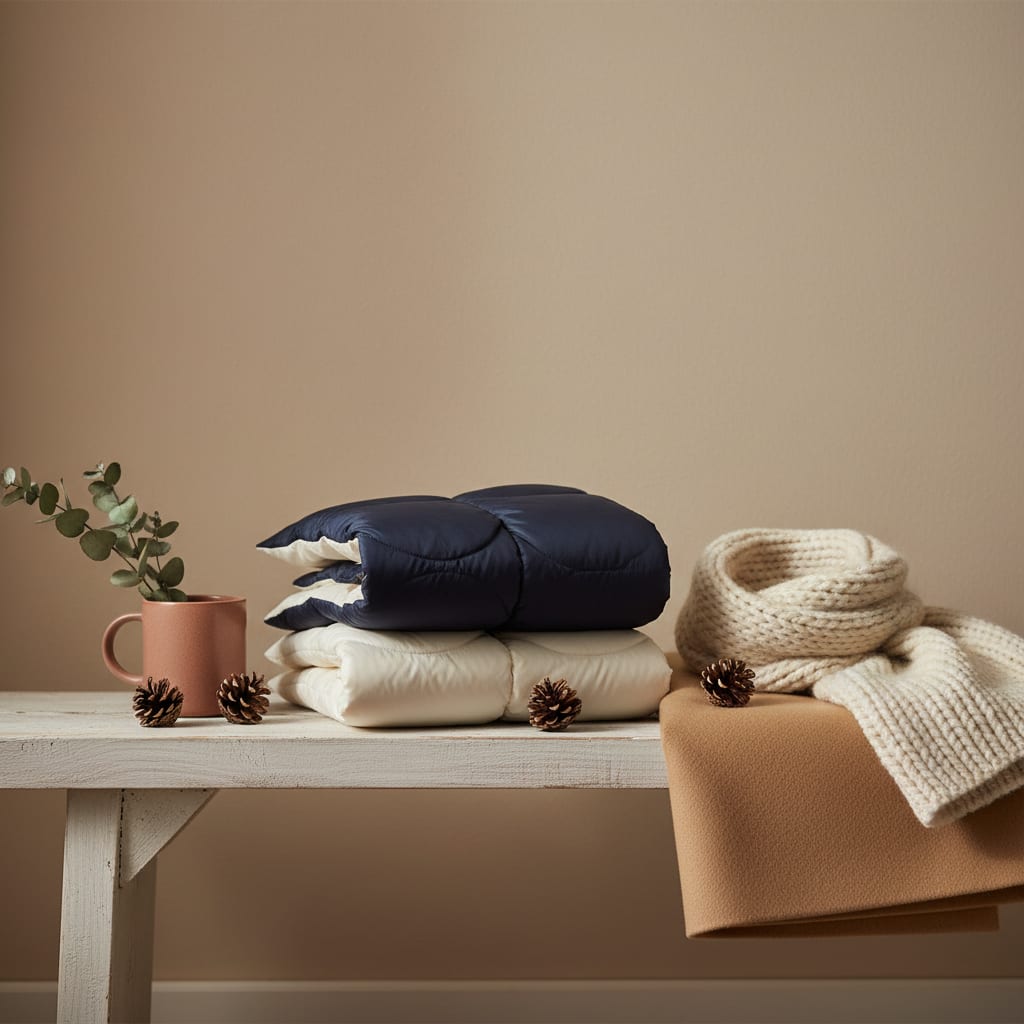
Winter with kids means standing at the bus stop, buckling someone in with the car door open, and doing a sideline in a wind that seems personal.
If you only buy one, make it a hooded, insulated coat that reaches at least mid-thigh, in a water-resistant or waterproof shell. That length covers your seat on a cold bench, the hood replaces the hat you forgot, and the shell handles sleet on the walk to school. The best winter jackets for women are the ones matched to the job, though, so below are five picks by scenario, plus the five checks that separate a real winter coat from a coat-shaped jacket.
How to pick a winter coat: five quick checks
- Length. Hip-length is for getting in and out of the car. Mid-thigh to knee is for standing still outside. If your winter involves waiting outdoors, buy the longer one: a cold seat is a cold body.
- Hood. A hood you can actually pull up with one hand is worth more than a fur trim. Check that it is lined or insulated, not a single layer of shell fabric.
- Shell. Water-resistant fabric sheds snow and light rain. A waterproof shell, with sealed seams, is what keeps you dry through a long wet walk. If your winters are more sleet than powder, that difference matters more than the warmth rating.
- Fill. Down gives the most warmth for the weight. Synthetic fill is easier to wash and usually cheaper. Either works for a school run; the length and the shell decide more of your comfort than the fill does.
- Movement. Try sitting, bending and lifting your arms in it. A long coat without side zips or a back vent pulls tight across the hips when you crouch to zip a small coat. That happens about four times a morning.
The school-run workhorse: a long hooded puffer
This is the coat that lives by the door from November to March. It needs to go on fast, cover your seat, and have a hood that stays up in wind.
The Columbia Heavenly Long Hooded Puffer Jacket fits that brief. Its listing describes it as water-resistant and insulated, with a fleece-lined hood, and it comes in extended sizes. The length is the selling point: long enough to sit on a cold bleacher, short enough to drive in.
Fit Notes: buy any puffer to fit over your thickest sweater, not over a T-shirt. Try it on with the knit you will actually wear underneath. If it only just zips over that, size up; a puffer squeezed shut loses the loft that keeps you warm.
Who it’s for: most people in most US winters. If you only own one coat, this is the category to buy.
For real cold: a waterproof down parka
Single digits, long bus-stop waits, sledding supervision and January sideline duty need a proper parka: waterproof shell, down fill, a hood that adjusts, and enough length to cover your thighs.
The North Face Arctic Parka is the classic example. Its listing describes a waterproof shell, recycled down insulation and an adjustable hood. It is the coat you buy once and keep for many winters, which is the cost-per-wear argument for spending more here than anywhere else in a capsule wardrobe.
Fit Notes: parkas this warm are cut roomy to fit layers underneath. Size for a sweater, not a second coat. If you run cold, the National Weather Service’s extreme-cold advice is to dress in layers and cover exposed skin, and it notes that mittens are better than gloves. The parka is the outer layer of that system, not the whole of it.
Who it’s for: northern winters, outdoor jobs, anyone who stands still outside for long stretches.
The Amazon down coat: lots of pockets, side zips
Every winter has a version of this coat on every school run: long, quilted, hooded and full of pockets. Orolay’s thickened down jacket is the one to compare the others against. Orolay’s own product description lists a fleece-lined hood, special side zippers and six big pockets.
The side zips solve the movement problem from the checklist above: unzip them to sit, crouch or drive, close them for the walk. The pockets are a parent feature in their own right. Gloves, keys, a snack and a small car in one pocket each, with nothing in your hands.
Fit Notes: it is a big, warm coat with a lot of volume, not a slim one. If you prefer a neater line, look at the Columbia above instead. Hang it and shake it out when it arrives; down coats ship compressed and need time to loft.
Who it’s for: anyone who wants a long, warm down coat and whose winters are cold rather than wet.
For mild, wet winters: a lightweight long puffer
If your winter is mostly 35 to 45 degrees and drizzly, a heavy parka will spend most mornings over your arm. You want something long and light that blocks wind.
The Amazon Essentials lightweight long cocoon puffer is that coat. Its listing describes it as water-resistant and insulated, with a full zip and a stand collar. There’s no hood, so pair it with a hat or a compact umbrella on wet days.
Fit Notes: the cocoon shape is meant to be roomy through the body and narrower at the hem. That reads as intentional over slim jeans or leggings and a little lost over wide-leg trousers, where a straight-cut coat sits better.
Who it’s for: the Pacific Northwest, the mid-Atlantic, the South, and anyone whose real problem is wind and rain rather than deep cold.
A dressier coat for dinner, church and the school concert
Puffers are for the school run. A wool coat is for everything after it: the holiday concert, a dinner out, the family party and the office. One good dark coat covers all of them.
The Amazon Essentials double-breasted wool-blend longline coat comes in a relaxed fit, which leaves room for a sweater underneath. Black covers the most occasions. Camel is the more striking choice, but it shows every sticky handprint.
Fit Notes: wool coats aren’t built for real cold on their own, so this is where layering earns its keep. A thin packable puffer jacket like this Amazon Essentials one can go underneath on the coldest nights and fold into a bag when you’re indoors. Size the wool coat with that layer on. A double-breasted coat that won’t button over a thin jacket will look strained by January.
Who it’s for: anyone whose winter includes evenings out. It is also the only coat here that works over a dress, which matters for the season’s holiday parties.
One coat or two?
One coat: buy the long hooded puffer. It covers most of a parent’s winter, and a scarf does the rest.
Two coats: add the coat for your climate. That means the parka for real cold or the light long puffer for mild, wet winters. The wool coat is the third slot, and it’s the one that a dark puffer with a good scarf can stand in for until you’re ready.
Pair whichever you choose with a boot that can handle the same weather. The winter boots guide covers the shoe side of the same scenarios.
Kids, car seats and coats
This page is about your coat. Children’s puffer coats and car-seat harnesses are a separate safety question with their own rules, so check your car seat manual for that one rather than borrowing advice written for adults.
Care that keeps a coat warm
- Wash less, and on gentle. Follow the care label. Orolay’s care instructions for one of its down coats, for example, say machine wash cold on a gentle cycle in a large-capacity washer and tumble dry low.
- Dry it fully. Damp fill clumps. Keep drying until there are no flat or lumpy patches.
- Hang it, don’t cram it. A puffer compressed in a hall closet all summer takes a while to recover. Hang it loosely and give it a shake when you take it out in the fall.
- Spot-clean the cuffs and collar. That’s where the grime collects, and a damp cloth between full washes avoids most of them.
FAQ
What is the warmest type of winter coat for women?
A long down parka with a waterproof shell and an adjustable hood is the warmest everyday option. Length matters as much as fill: a coat that covers your thighs keeps far more of you warm while you stand still.
Is a puffer coat or a wool coat warmer?
Usually a puffer. The fill traps warm air and a tightly woven shell stops wind, while a wool blend lets more of both through. Wool coats look sharper. A thin packable puffer layered underneath closes the gap on cold evenings.
How long should a winter coat be?
At least mid-thigh if you spend time standing or sitting outside, as at the bus stop, sports sidelines or the playground. Hip-length coats are easier to drive in but leave your seat and thighs cold.
Should I size up in a winter coat?
Size for the layers you will actually wear. Try it on over your thickest sweater. If it barely closes, go up one size, because a compressed puffer is a colder puffer.
What’s the difference between a winter coat and a winter jacket?
Mostly length. Jackets usually stop at the hip and coats run to the thigh or knee. For waiting outdoors in real cold, the extra length is the warmer choice.
Keep Reading

The New-Mom Gift Guide: What She Actually Wants in 2026
Gifts new moms actually use — no novelty mugs. The Betteroo sleep app that saved us, the robe that isn't hideous, and more picks grouped by budget.
What Colors Go With Brown: 10 Combos That Work
Chocolate brown is the neutral doing the most work right now. Here are the colors that flatter it, ten outfits to copy, and the pairing that ages an outfit.
Christmas Gifts for Mom She'll Actually Use
Christmas gifts for mom that get used past January, sorted by who she is to you: your own mother, the mom of your kids, or a mom with a brand-new baby.