What Is Cocktail Attire? A Mom's Dress-Code Guide
Cocktail attire, translated: what the dress code actually requires, where it sits between smart casual and black tie, and five outfit formulas that always work.
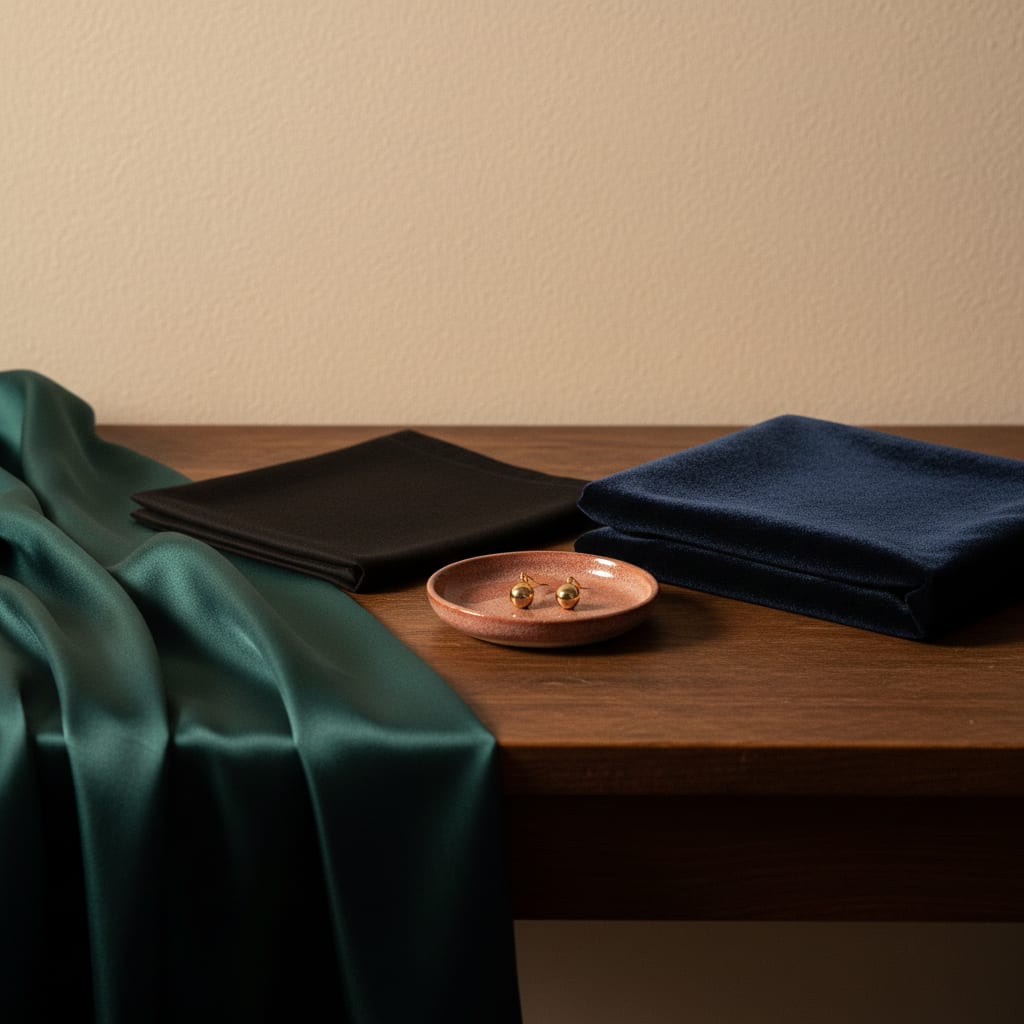
Short answer: cocktail attire means dressed up but not formal — a dress at or above the knee, or a polished separates outfit, in an evening fabric, with a real shoe and a small bag. It is one rung below black tie and two above smart casual. A floor-length gown is too much, a sundress is not enough, and the thing that actually decides whether an outfit reads as cocktail is the fabric, not the length.
It is the most-used dress code on invitations and the least-explained, which is why half the room is always slightly over- or under-dressed. Here is the translation, and then the five outfits I would actually wear to one.
What cocktail attire actually means
The phrase comes from the cocktail hour — an event that happens in the early evening, in a room, with a drink in your hand, standing up. Every requirement of the dress code follows from that.
It has to look like evening. It has to survive two hours upright. It does not need to be formal, because a cocktail party is not a ceremony.
In practice, cocktail attire means one of two things:
- A dress, hitting somewhere between just above the knee and mid-calf, in a fabric that has some sheen, drape, or weight to it.
- A polished separates outfit — wide-leg trousers or a satin skirt with a dressy top, or a jumpsuit — which is now fully accepted and which I wear more often than a dress.
Where it sits on the ladder
Dress codes only make sense relative to each other, so here is the whole ladder in one place:
- Casual — jeans. Whatever you like.
- Smart casual — no structured layer required, but nothing sporty. I have unpacked this one in full in a mom’s translation of smart casual.
- Business casual — a structured layer is expected. The full version is here, and the short version is that a blazer is the difference.
- Cocktail — evening fabric, shorter length, real shoe. Where we are.
- Semi-formal — the same level, with a wider daytime range and room for a long dressy skirt. The line between the two is in semi-formal attire, translated.
- Black tie optional — a long dress is welcome but a short one is still correct.
- Black tie — floor length, or a formal tuxedo-adjacent alternative.
The two most common mistakes are treating cocktail as “a nice version of business casual” — which produces a work outfit at a party — and treating it as “not quite black tie”, which produces a gown at a barbecue.
Inside the line and outside it
Inside: satin, velvet, crepe, jacquard, a good ponte. Midi and knee-length dresses. Wide-leg dressy trousers. A jumpsuit. A silk or satin blouse. A tailored blazer worn as evening rather than as work. Heeled sandals, block heels, dressy flats. A small bag. Statement earrings.
Outside: denim of any wash. Jersey and cotton tees. Anything with a visible athletic logo. Sundresses and floral cotton. Flip-flops, sneakers and rubber-soled boots. A tote bag of any kind. A floor-length gown, unless the invitation said black tie optional.
The grey area, and how to settle it: a black midi dress in heavy cotton is not cocktail; the same dress in crepe is. A tailored trouser in wool suiting reads business; the same cut in satin reads cocktail. When you are unsure about a piece, ask what the fabric would be doing at 9 p.m. rather than what the shape would be doing at 9 a.m.
Five formulas that work
- Midi dress in crepe or satin + block-heel sandal + small bag. The default, and the one that needs no thought.
- Wide-leg black trousers + silk camisole + heeled mule. My most-worn version, and the most comfortable thing on this list.
- Satin slip skirt + fine-knit sweater tucked in + pointed flat. The quiet one. Reads expensive, costs nothing in comfort.
- Jumpsuit + statement earrings + heel. One decision, done. Check you can get out of it in a small bathroom before you commit.
- Knee-length dress + tailored blazer over the shoulders. The version that works when the room will be cold, which is most rooms.
The length question
Cocktail length is anywhere from just above the knee to mid-calf. Both ends are correct now, which was not true ten years ago.
A midi is the safer choice at a wedding, a work party, or anything where you will be sitting on a low chair or bending to a child. A shorter dress is the more traditional read of the code and the better one at an evening party with no small people in it.
The one length to avoid is the one that hits at the widest part of the calf, which is unflattering on most people and has nothing to do with dress codes at all.
Shoes you can actually stand in
This is the part of the code that quietly ruins evenings.
A cocktail party is two hours standing on a hard floor, and if there is a toddler involved it is two hours standing on a hard floor while holding one. A block heel of two to three inches is the sweet spot: it reads dressy at a glance and it does not concentrate your weight on a square centimetre of foot.
A dressy flat is entirely acceptable at a cocktail event and always has been — the requirement is a finished shoe, not a high one. A pointed or almond-toe flat in a satin, patent, or metallic finish is correct, which is a very different animal from the everyday ballet flat I wear on the school run.
What does not work: anything with a rubber lug sole, anything canvas, and any sandal that shows a sports tan line, which sounds petty and is the first thing photographs pick up.
Five situations, answered
A wedding that says cocktail. Midi, not short, and not white, cream, or anything close. My fall wedding guest guide covers the nursing-friendly versions.
A work holiday party. Dress one notch down from what you would wear to a friend’s party, and keep the neckline higher. The code is the same; the audience is not.
A christening or lunch that runs into evening. Build it as a daytime outfit with an evening fabric, then swap the shoe and add the earrings at 5 p.m.
Cocktail attire while nursing. Separates, every time. A satin blouse or a wrap top with dressy trousers gives you access that no fitted dress will.
“Festive attire” or “dressy casual”. Festive means cocktail with permission to wear a color. Dressy casual means one rung below — keep the fabric, lose the heel.
FAQ
Is cocktail attire the same as formal?
No. Formal and black tie mean floor-length or a tuxedo. Cocktail sits below both — a knee-length or midi dress, or polished separates, in an evening fabric. Wearing a full gown to a cocktail event is the most common way to overdress.
Can you wear pants for cocktail attire?
Yes, and it is now completely standard. Wide-leg dressy trousers or a satin skirt with a silk or fine-knit top reads as correctly dressed at any cocktail event, and a jumpsuit does the same job with one decision.
Are flats okay for cocktail attire?
Yes, provided the shoe is finished rather than casual. A pointed or almond-toe flat in satin, patent, or metallic is correct. A canvas or rubber-soled flat is not, regardless of how smart the rest of the outfit is.
What length should a cocktail dress be?
Anywhere from just above the knee to mid-calf. Midi is the safer pick for a wedding or any event involving small children and low chairs; a shorter dress is the more traditional reading of the code.
What should you not wear to a cocktail event?
Denim, jersey, cotton sundresses, sneakers, flip-flops, visible athletic branding and a tote bag. At a wedding, also avoid white and anything close to it. A floor-length gown is the other miss — it belongs one rung up the ladder.
Keep Reading
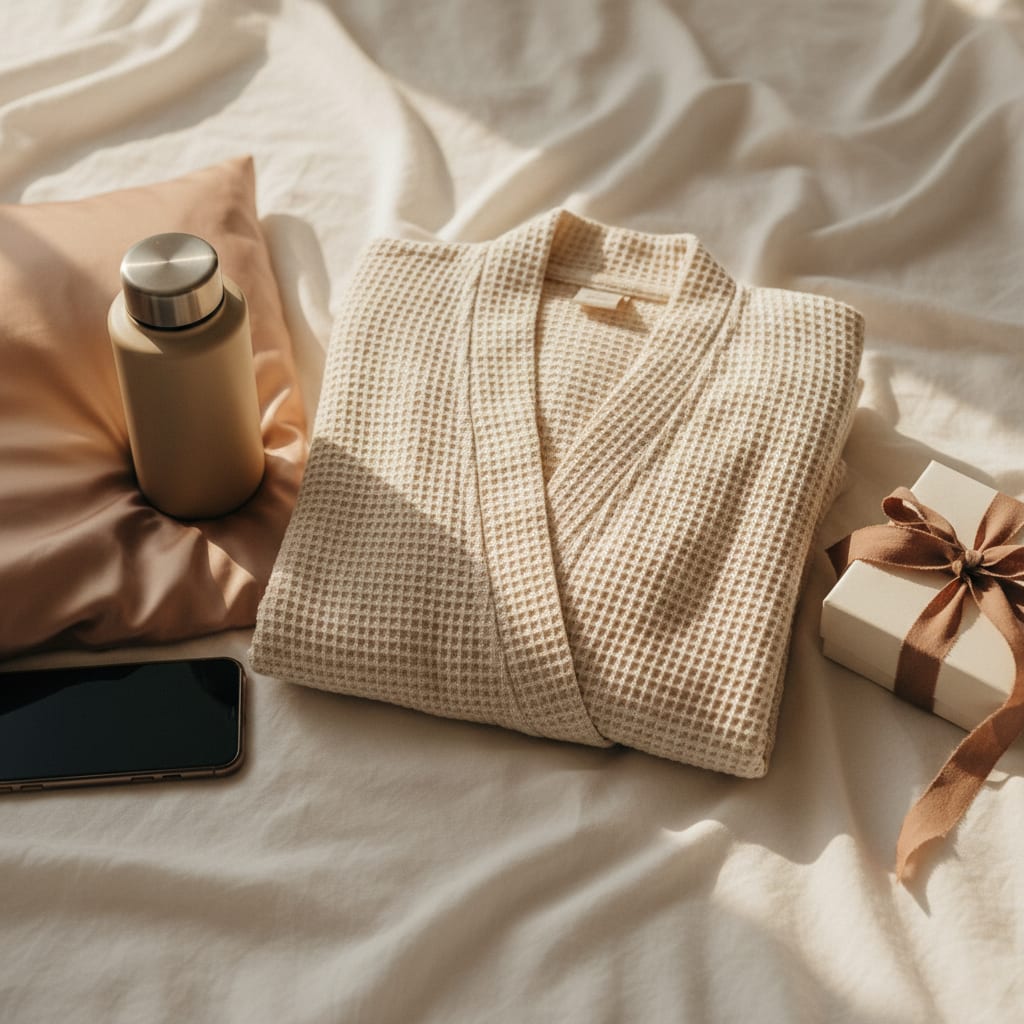
The New-Mom Gift Guide: What She Actually Wants in 2026
Gifts new moms actually use — no novelty mugs. The Betteroo sleep app that saved us, the robe that isn't hideous, and more picks grouped by budget.
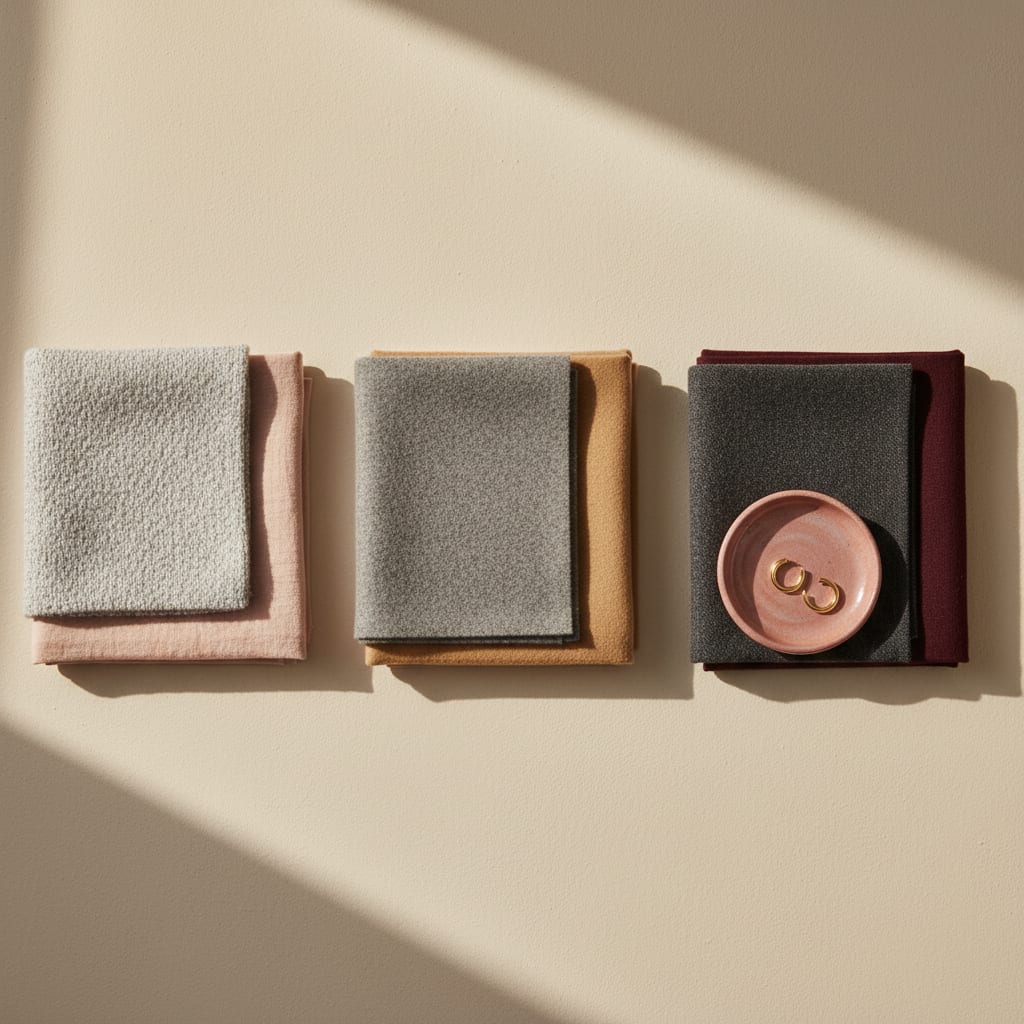
What Colors Go With Gray: The 10 That Work Best
Gray is the neutral most people wear wrong. The colors that genuinely work with it, ten outfits to copy, and the white that quietly ruins a gray outfit.
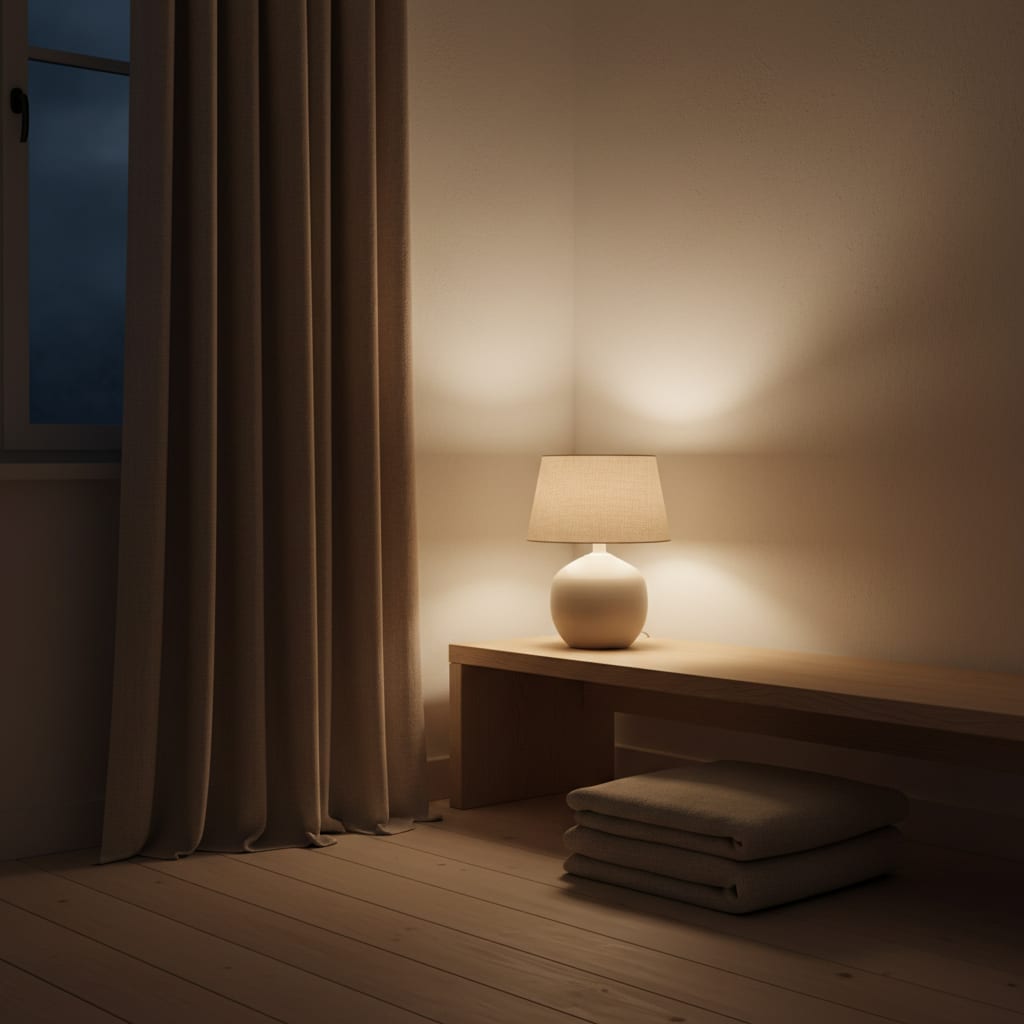
Color-Changing Night Light Waking Your Toddler? Here's Why
Color-changing night lights are sold on the feature that wakes children. What light does after lights-out, why a shifting hue pulls a child up, and what to use.