What Is Business Casual? A Mom's Field Guide
Business casual, defined in one line, plus what it actually means at an office, a school event or a first day back — and the five outfits that cover all of it.
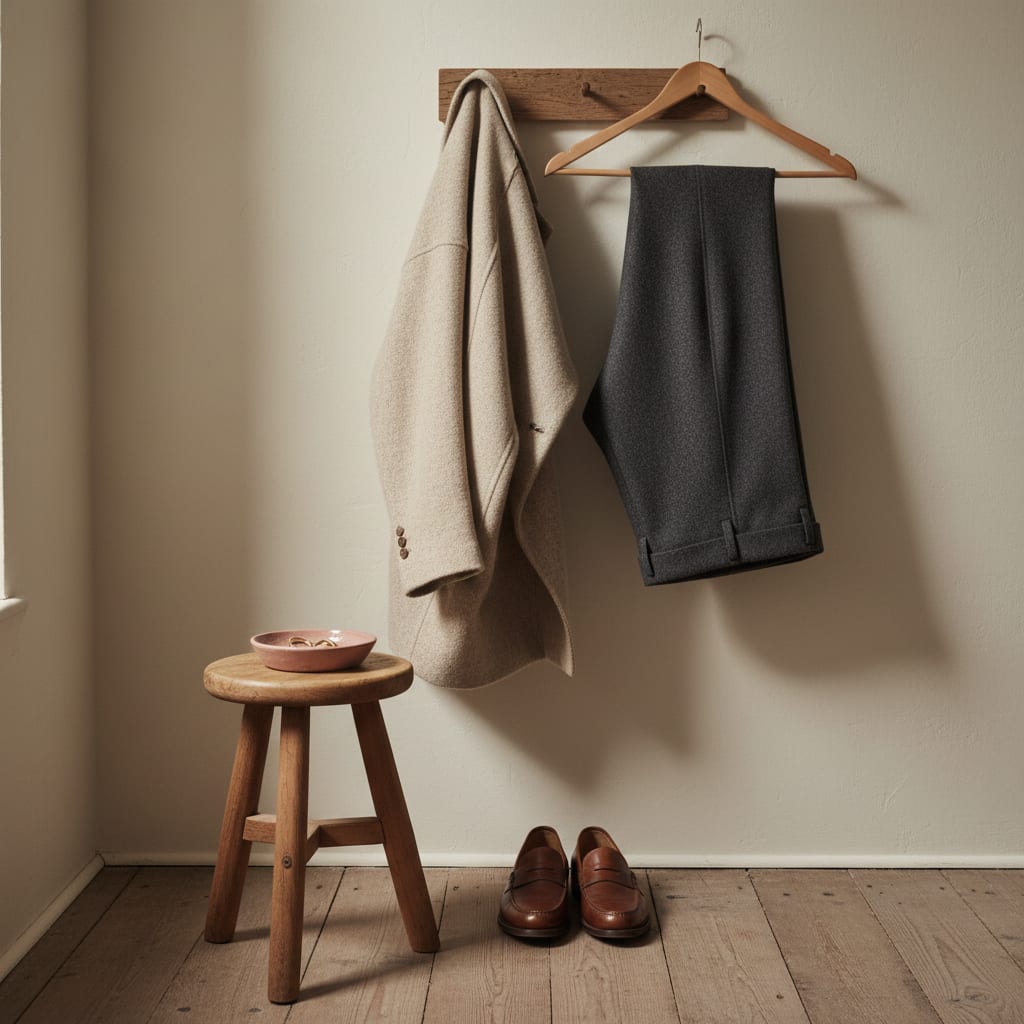
Short answer: business casual means office-appropriate clothing without a matched suit — a collar, a knit or a blazer on top, a tailored trouser, skirt or dark denim on the bottom, and a closed, structured shoe. No suiting set, no tie, no jeans with rips, no visible workout fabric. That is the whole definition. Everything else is a local dialect, and the fastest way to read it is to look at what the person who invited you wears.
The one-line test
If you can imagine the outfit on someone leading a meeting, and it does not include a matched jacket-and-trouser suit, it is business casual.
That test catches almost everything. A cream knit with tailored trousers passes. A blazer over a plain tee with dark straight jeans passes in most industries. Leggings with an oversized sweatshirt does not, however good it looks — not because of formality, but because the fabric reads as athletic, and athletic fabric is the line most dress codes actually police.
What sits inside the line
Tops. Silk or cotton button-downs, fine-gauge knits, merino or cashmere crewnecks, a shell or blouse under a jacket, a plain tee if a blazer is going over it.
Bottoms. Tailored trousers in wool, ponte or twill; wide-leg or straight; a midi skirt; a dark, clean-hemmed straight or wide-leg jean in most modern offices.
Layers. An unstructured blazer, a longline cardigan, a knit jacket, a trench.
Shoes. Loafers, low block heels, pointed flats, ballet flats, clean leather sneakers in the more relaxed version.
Dresses. A midi shirtdress, a knit dress, a simple sheath — with a jacket or cardigan if the room is formal.
What sits outside it
Not a moral list, just the four categories that get people sent home or quietly noticed.
Visible activewear fabric. Leggings, technical knits, anything with a gym sheen. This is the single most common miss for anyone dressing around a school run.
Distressed or very light denim. Rips, whiskering and pale washes all read weekend regardless of the cut.
Beach and gym footwear. Flip flops, slides, running shoes in a bright colorway.
Anything genuinely revealing. Very short hems, deep necklines, sheer without a layer.
Business casual vs the codes either side of it
Business professional is the level above: a matched suit or a jacket-and-skirt set, closed formal shoes, minimal colour. Interviews at law firms, banks and courts still expect it.
Smart casual is the level below: no jacket required, denim assumed, more personality allowed. It is the code most weekend invitations mean and the one most people conflate with business casual — the difference is unpicked in what is smart casual.
Casual means whatever you like, minus activewear and beachwear.
Business casual sits between the first two, and the practical distinction is a single question: is a structured layer expected? In business casual, yes, or at least a knit doing a jacket’s job. In smart casual, no.
Five outfits that cover almost every version
1. The default
Fine-gauge knit, tailored wide-leg trousers, loafers, small crossbody. Nothing to think about, works in almost every office, works for a parent evening.
2. The blazer-over-basics
Unstructured blazer, plain white or cream tee, dark straight jeans, pointed flats. The most-worn business casual outfit in the country and the reason a blazer earns a permanent capsule slot.
3. The dress
Knit midi dress, tall or ankle boots, a cardigan or blazer over the top. One decision, done. Add tights and it moves through three seasons.
4. The button-down
Cotton or silk shirt, sleeves rolled twice, tailored trouser, low block heel. This is the version to wear when you want to look more senior than the room.
5. The relaxed office
Merino crewneck, straight-leg dark jean, clean leather sneaker, structured tote. Passes in tech, media, education and most creative workplaces; will not pass in finance or law.
The trouser shapes underneath all five are the same ones that carry the rest of the week — the styling detail is in wide-leg jeans outfits.
The situations moms actually need this for
A first day back after leave. Overdress by one notch on day one, then calibrate. It is far easier to relax an outfit on day two than to recover from being the most casual person in the room.
A parent-teacher evening or school board meeting. Business casual is almost always the right read, and the blazer-over-basics version is the one to use — it survives a car, a corridor and a folding chair.
An interview in a business casual office. Go one level up. Business casual office, business professional interview, unless you have been explicitly told otherwise.
A conference or work event with children in tow. Fabric matters more than cut here. Machine-washable ponte, a dark trouser, no silk near a snack.
Hybrid weeks. If you work partly from home, the top half is doing most of the job — the split is covered in the work-from-home capsule wardrobe.
Fit Notes: what makes business casual read as put-together
Structure beats formality. A soft, well-cut blazer over a tee looks more professional than a stiff blouse with nothing over it. Shoulders are what the eye reads as “dressed”.
Hem the trousers. The single highest-return alteration there is. A dragging hem undoes an expensive trouser; a clean break makes a cheap one look tailored.
Close the shoe. Loafers, boots and pointed flats read business casual. The same outfit in a strappy sandal reads dinner.
Keep the fabric matte. Wool, cotton, linen blends, ponte, leather. Shine — satin, patent, technical nylon — is what pushes a daytime outfit into evening or gym.
One considered accessory. A leather belt, a structured bag, a pair of small gold earrings. The rest of the outfit can be plain if one thing looks intentional. That is the same logic behind the copy-paste approach in elevated casual outfits.
FAQ
Are jeans business casual?
Often, now. Dark, clean, undistressed straight or wide-leg denim passes in most modern offices, especially with a blazer or a structured knit. Light washes, rips and skinny jeans with sneakers do not. If you are new somewhere, wear a trouser for the first fortnight and watch what everyone else does.
Are leggings business casual?
No. Even when a dress code says nothing about them, leggings read as activewear, and activewear is the boundary business casual is actually drawing. A ponte trouser gives the same comfort and reads completely differently.
Are sneakers business casual?
Clean, plain leather sneakers in white, cream or black, yes — in a relaxed office. Running shoes, chunky trainers and anything in a bright technical colorway, no. The rule is the material and the silhouette, not the category.
Is a dress business casual?
Yes, if the length is at or below the knee, the fabric is matte and the neckline is modest. A knit midi with a cardigan is the lowest-effort business casual outfit that exists.
What is the difference between business casual and smart casual?
Business casual expects a structured layer and tailored bottoms and assumes a workplace. Smart casual expects neither, assumes denim, and allows more personality. Business casual is the stricter of the two.
Keep Reading
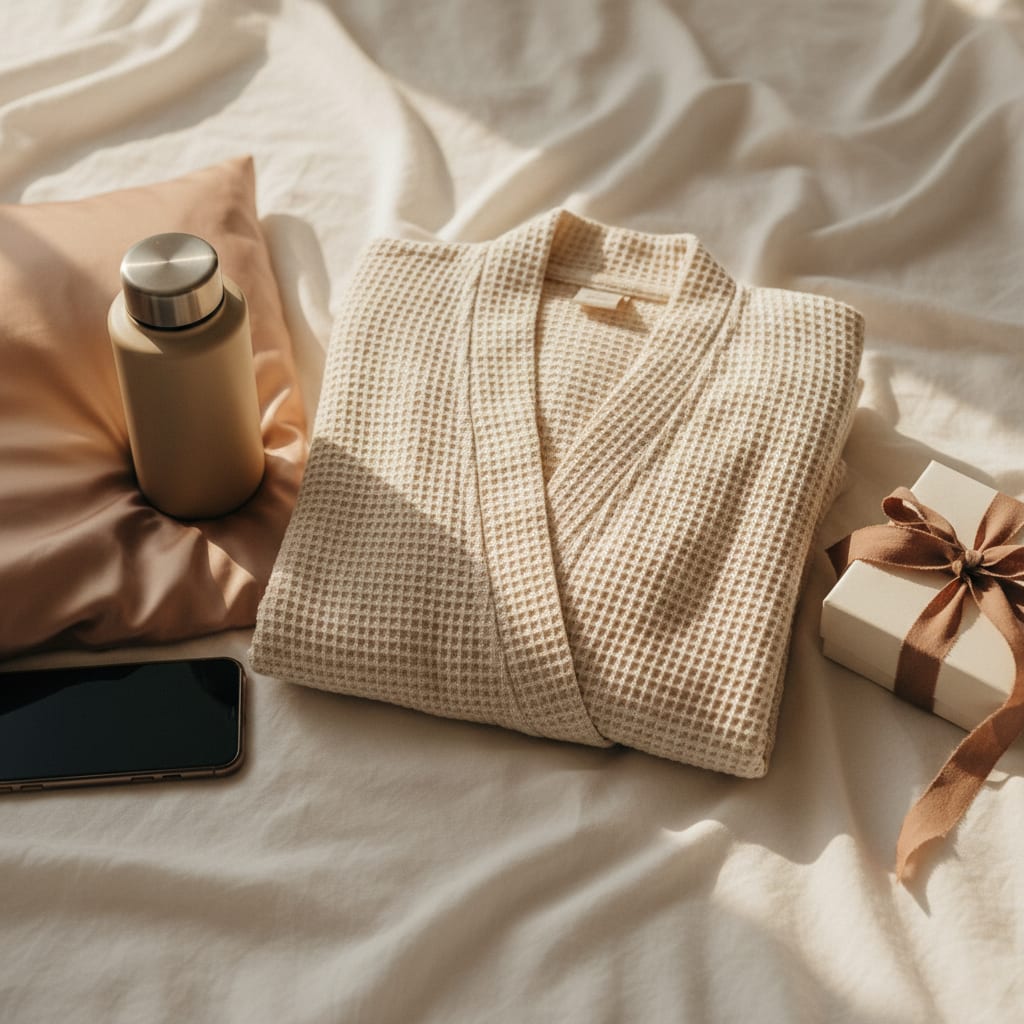
The New-Mom Gift Guide: What She Actually Wants in 2026
Gifts new moms actually use — no novelty mugs. The Betteroo sleep app that saved us, the robe that isn't hideous, and more picks grouped by budget.
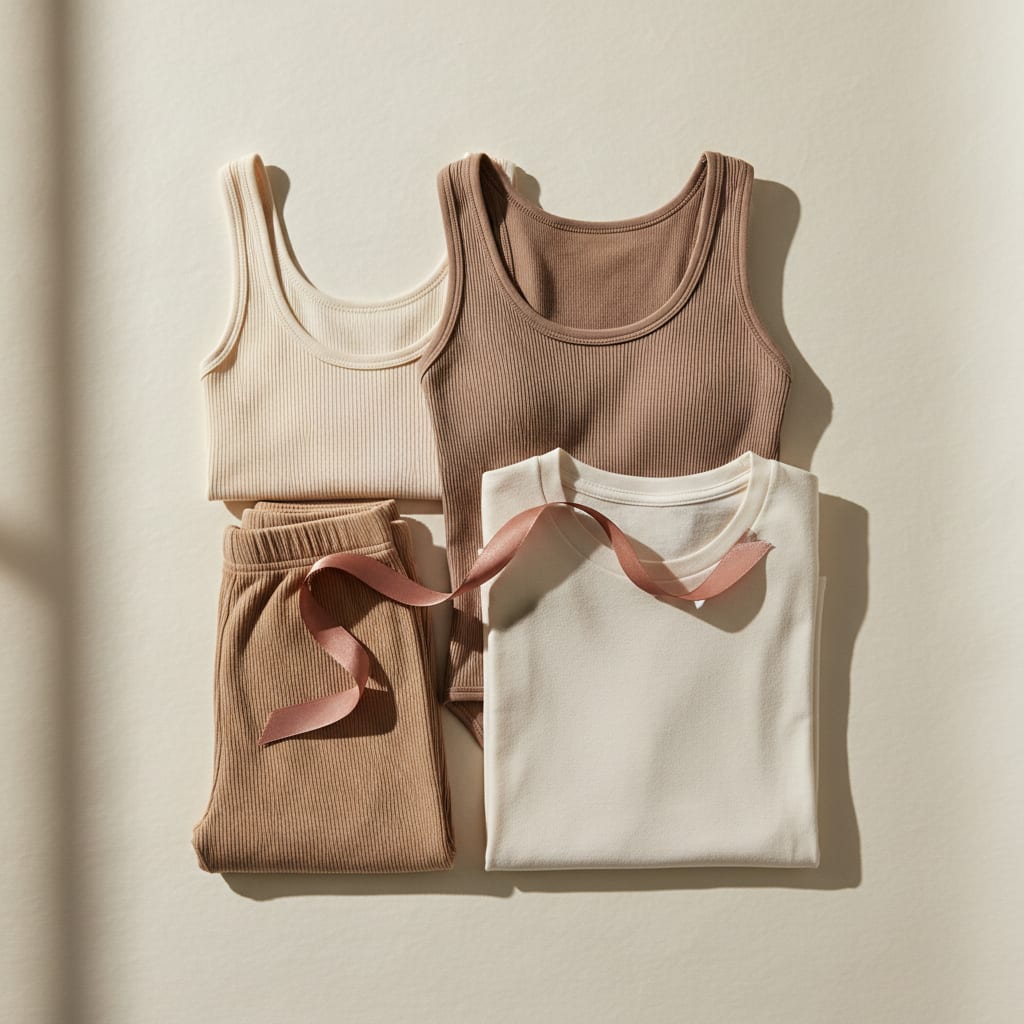
10 Skims Dupes That Survived My Wash Test (2026)
Ten Skims dupes put through months of real machine washes: bodysuits, ribbed lounge, tees, and shapewear compared honestly — and what to buy real.
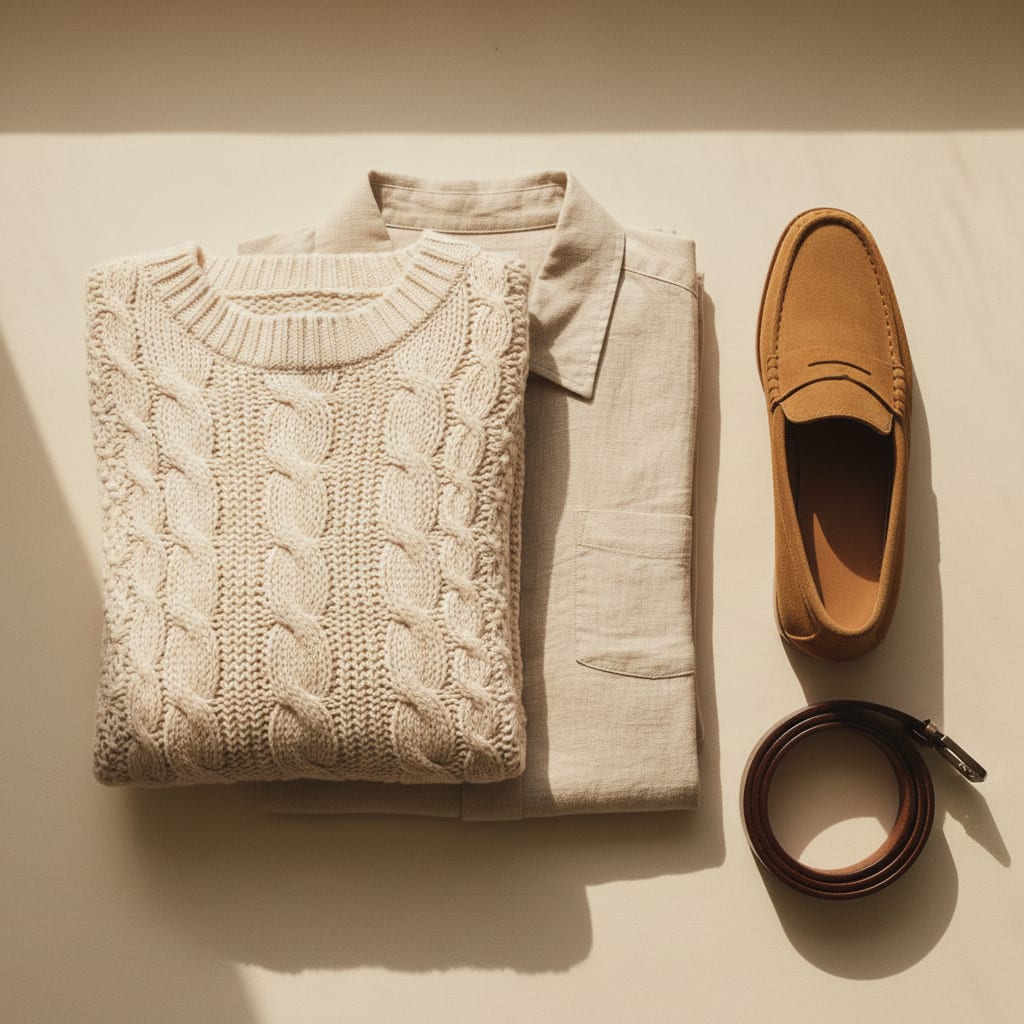
What Colors Go With Beige and Cream: 9 Combos
The colors that work with beige and cream, nine outfits to copy, how to stop tonal dressing looking flat, and the one pairing that washes almost everyone out.