Quince Review: Is Quince Legit? My Honest Take After a Year
An honest Quince review from a mom a year and many orders in: how the factory-direct model works, what is consistently great, what to skip, and sizing.
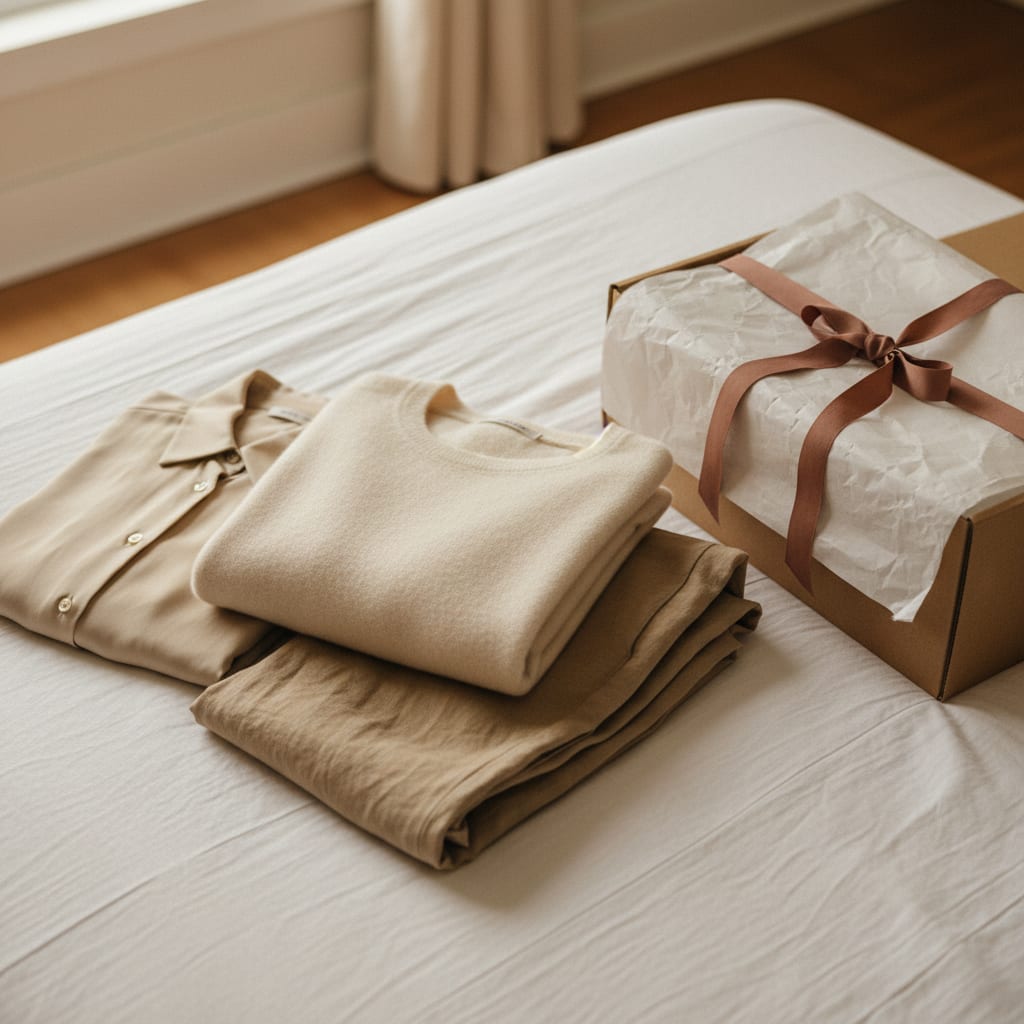
Quince is the brand my group chat won’t shut up about, so I’ve spent the past year ordering from it like it’s my job (it is now, sort of).
Short answer: yes, Quince is legit — real products, real materials, honest quality for the price — but it’s not uniformly great. Some categories are genuinely excellent, some are just fine, and the shipping requires the patience of a person who is not me. Here’s the whole picture: how the model works, what to buy, what to skip, and how the sizing runs.
How Quince actually works (and why it’s cheap)
Quince’s pitch is factory-direct: it works straight with manufacturers, skipping the wholesale-markup layer, the flagship stores, and most of the traditional retail machinery.
That model explains both halves of the experience. The good half: cashmere, silk, linen and leather at prices that feel like a glitch. The less-good half: shipping that takes longer than you’re used to, and a catalog that behaves less like a designed collection and more like a very good basics vending machine.
No mystique, no seasonal “story,” no marketing campaign baked into your sweater price. For a capsule-wardrobe person, that’s a feature — this is exactly the kind of brand you lean on when you’re filling the gaps in a 20-piece capsule without lighting the budget on fire.
What’s consistently good (buy with confidence)
- Cashmere and knitwear. The flagship category and it earns it. Real Mongolian cashmere, entry-level weight, holds up season over season — I put it through a month-long head-to-head in my Quince vs. Amazon cashmere test and it won on pilling and survived my washing machine.
- Washable silk. The shirts and skirts that make school pickup look like effort was involved. “Washable” is honest — gentle cycle, mesh bag, hang dry, fine.
- Linen. Shirts, dresses, and pants in actual midweight linen, not the gauze that photographs well and wrinkles into pulp by 9 a.m.
- Leather and suede basics. Jackets and bags where the factory-direct math is most dramatic. Simple silhouettes, real hides.
- Bedding and travel. Not fashion, but the linen sheets and the carry-on garment duffel are two of the most-recommended items in my actual mom friend group, which is a tougher review board than the internet.
What to skip (or at least think twice)
- Anything trend-driven. Quince is a basics machine. When it chases a trendy cut, you get the shape without the styling — fine, not special. Buy trends where trends live.
- Activewear, if you’re picky. It’s decent, but this category is won on obsessive fit engineering, and the specialists still hold the crown — my Lululemon dupes guide gets into exactly where a dupe holds up and where it doesn’t.
- Complicated tailoring. Blazers and structured dresses are hit-or-miss because precise fit is the one thing a factory-direct model can’t quality-check onto your specific body. Simple shapes: yes. Sharp tailoring: try, but keep the return window in mind.
- Anything you need this week. Shipping is the tax you pay on the pricing. Order ahead of the season, not mid-crisis.
Sizing patterns (read before you order)
Across a year of orders, the pattern I’ve found:
Fit Notes: knitwear runs slim through the arms and true in the body — size up if you layer, which, if you’re reading a mom blog in a cold climate, you do. Washable silk runs generous and forgiving; true to size. Linen runs relaxed by design — if you’re between sizes and want any structure at all, size down. Leather jackets run true but snug at the shoulder; jacket-over-sweater people should go up one.
When in doubt, order two sizes of the keeper items and return one. Which brings us to:
Is Quince legit? The company facts
Yes, and it’s worth being specific about why, because “is Quince legit” is the question I get asked more than any other.
Who owns it. Quince is a privately held US company headquartered in San Francisco, co-founded by Sid Gupta, who is still its CEO. It launched under the name Last Brand and rebranded to Quince in 2020. It is venture-backed and now sells at serious scale — not a dropship storefront with a Shopify theme and a stock photo.
Where it ships from. Quince describes its model as manufacturer-to-consumer: it doesn’t own factories, it partners with them, and a lot of orders ship directly from those partner factories to you rather than from a US warehouse. That’s the entire explanation for both the prices and the delivery times, and it’s stated openly rather than hidden.
What the complaints are actually about. Scroll the review sites and the pattern is remarkably consistent, and it is not “the cashmere is fake.” It’s logistics and service: a package that goes quiet mid-transit, a wrong or missing item, a refund that takes longer than expected, and customer support that can be slow to reach a human. Those are real and worth knowing about — they’re just a different complaint from the one the word “legit” implies.
The lawsuits, since you’ll find them. Established brands have sued over how close some Quince products sit to theirs — Williams-Sonoma over advertising claims in late 2025, and Coach’s parent Tapestry over handbag trade dress earlier that year. Those are design and marketing disputes, not delivery ones.
The returns reality
Better than I expected, and better than most of its critics assume. Quince’s stated policy is free returns within 365 days of delivery on most items, with a prepaid label, and standard shipping is free too. The exceptions are the ones you’d guess plus a few you wouldn’t: final-sale promotions, customized and limited-edition pieces, food and wine, and shorter windows on furniture, wall art and fine jewelry. Read the product page before you buy anything in those categories.
That generosity is exactly why the service complaints sting — the policy is excellent and the execution is where people get stuck. My system: try everything on the day it arrives (not “when I get to it,” which is never), decide immediately, ship back the same week, and keep the tracking number until the refund actually lands.
The verdict: who Quince is for
Quince is for the person buying fabric first, trend second — the one great cream sweater, the washable silk shirt, the linen pants that make July bearable. It’s the strongest fill-the-gaps brand I’ve tested for building a wardrobe of quiet, good-quality basics on a real family budget.
It is not for the impatient, the trend-driven, or anyone who needs a dress by Friday. Worth it? Will I wear it ten times? The cream cashmere is at fifty wears and counting. That’s the review.
FAQ
Is Quince a legitimate company?
Yes. Quince is a privately held, venture-backed company headquartered in San Francisco, selling real products under a manufacturer-to-consumer model. The materials are genuine and orders arrive. The complaints you’ll find are about shipping delays, occasional wrong or missing items and slow customer service — not about the goods being fake.
Who owns Quince and where does it ship from?
Quince is privately held and US-based, co-founded and still led by Sid Gupta, and it launched as Last Brand before rebranding in 2020. It partners with manufacturers rather than owning factories, and many orders ship directly from those partner factories, which is why delivery takes longer than a domestic warehouse would.
What is Quince’s return policy?
Most items can be returned free within 365 days of delivery using a prepaid label, and standard shipping is free. Final-sale promotions, customized and limited-edition items are excluded, and furniture, wall art and fine jewelry carry shorter windows — check the product page before ordering in those categories.
Why is Quince so cheap?
Factory-direct economics: no wholesale markup, no retail stores, minimal marketing baked into the price, and direct-from-factory shipping on many items. You’re paying closer to production cost plus a modest margin — the discount comes out of the supply chain, not the fabric.
What is Quince best known for?
Cashmere first — the entry-price crewneck is the brand’s calling card — followed closely by washable silk, linen, and leather basics. The common thread is premium natural materials in simple silhouettes at prices well below traditional retail.
Does Quince run true to size?
Mostly, with category quirks: knitwear is slim in the arms (size up to layer), linen runs relaxed (size down for structure), silk is true and forgiving. Check the individual product’s fit notes — as a factory-direct brand, fit varies more between categories than at a single-designer label.
Keep Reading
The New-Mom Gift Guide: What She Actually Wants in 2026
Gifts new moms actually use — no novelty mugs. The Betteroo sleep app that saved us, the robe that isn't hideous, and more picks grouped by budget.
What Colors Go With Brown: 10 Combos That Work
Chocolate brown is the neutral doing the most work right now. Here are the colors that flatter it, ten outfits to copy, and the pairing that ages an outfit.
Quince vs Everlane: Where I'd Spend (and Where I Won't)
Quince vs Everlane compared by a mom who wears both — cashmere, silk, denim and basics head to head, with clear picks on where each brand wins.