Capsule Wardrobe Checklist: The One I Actually Use
A capsule wardrobe checklist organized by job, not by garment: the 28 slots I fill each season, the four questions every piece passes, and what to skip.
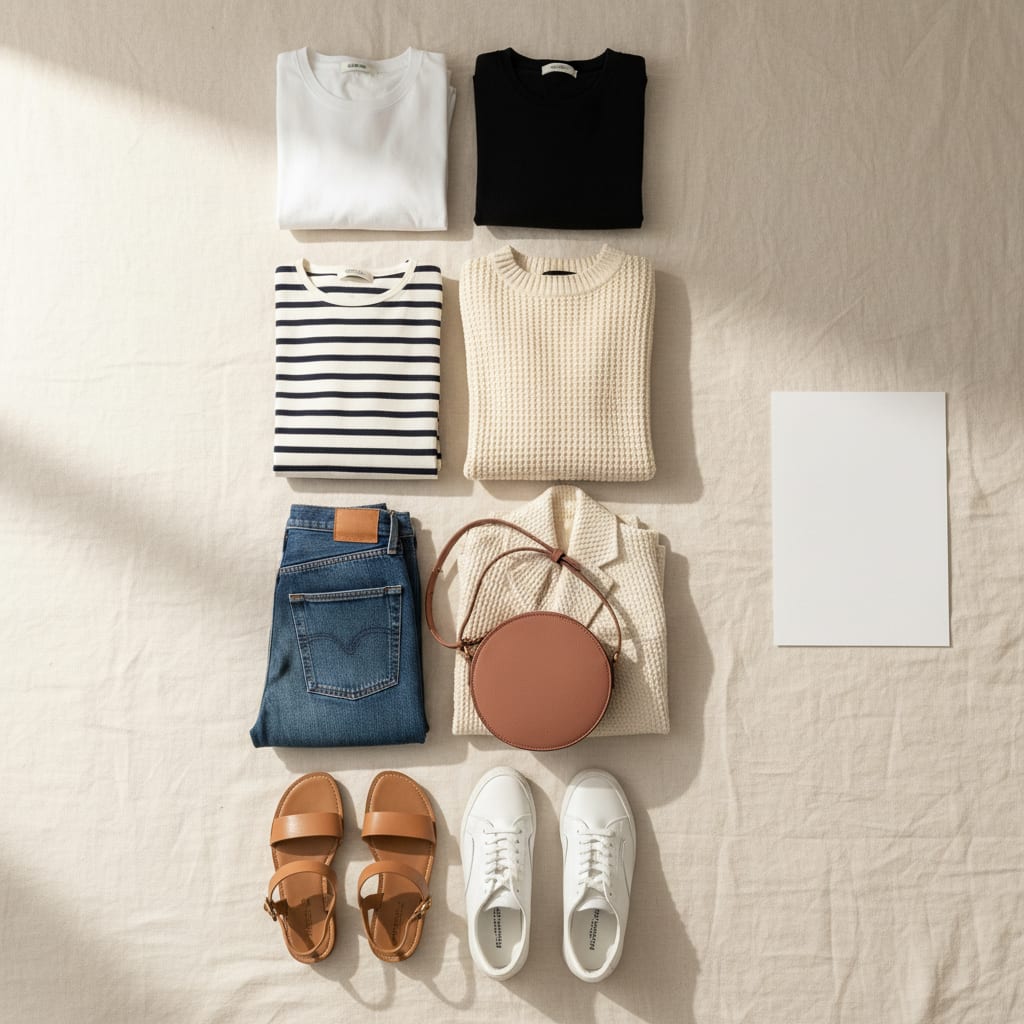
Short answer: a capsule wardrobe checklist works when it lists jobs instead of garments. Not “one white shirt” — “one thing that makes jeans look deliberate.” Fill 28 slots grouped by what the piece does in an outfit, check them off in your own closet before you shop, and the gaps that remain are your entire shopping list. That’s it. That’s the whole system, and it fits on one printed page.
I rebuild this list twice a year, in about twenty minutes, sitting on my bedroom floor with the closet open. It is not aspirational and it is not a mood board. It’s an inventory with a purpose.
Before you check anything: the four questions
Every piece that earns a checkmark has to survive all four. Be ruthless — a slot filled by a piece you never reach for is worse than an empty slot, because it stops you noticing the gap.
- Have I worn it in the last eight weeks? Seasonal exceptions allowed, sentimental ones not.
- Does it go with at least three other things I own? A piece that works with one outfit isn’t a capsule piece, it’s a costume.
- Can I sit on a playground bench in it? Crouch test. If the waistband gaps, the neckline falls forward or the hem drags, it fails.
- Would I put it on if someone rang the doorbell right now? This is the real test, and it eliminates about a third of most closets.
If you’re rebuilding from scratch rather than auditing, start with the 20-piece capsule method — this checklist is the maintenance ritual that keeps it honest afterwards.
The checklist, by job
Print this page (your browser’s print command is enough — the layout collapses to plain text) or copy it into your notes app. Tick what you already own. What’s left unticked is the list.
The base layer — things worn against skin (8)
- 3 tees that hold their shape after washing: white, black, one color you actually wear
- 1 tank or bodysuit that tucks flat under everything
- 1 long-sleeve fitted top for layering under knits
- 1 breton or fine stripe — the print that reads as a neutral
- 2 bras that fit the body you have this year, not the one on the tag
The bottom half — the pieces every outfit is built on (6)
- 1 straight or slim jean in a mid wash
- 1 wide-leg or baggy jean for the days you want room
- 1 non-denim trouser that’s pull-on but doesn’t look it (linen, ponte, knit)
- 1 pair of proper leggings — squat-tested, not sheer
- 1 skirt or dress you can move in
- 1 pair of shorts (summer capsules only; swap out for a second trouser in winter)
The elevate layer — what turns “dressed” into “deliberate” (5)
- 1 blazer, ideally in a knit or stretch fabric
- 1 long cardigan or coatigan
- 1 real knit in a natural fiber. This is the slot where I’d spend real money — though “real” is relative: the Amazon Essentials cashmere crewneck is the one I reach for on toddler-adjacent days, and my month-long cashmere head-to-head explains exactly when to buy it instead of the denser, pricier version
- 1 shirt worn open as a layer (chambray, oversized poplin, linen)
- 1 sweatshirt or hoodie that isn’t stained
The outer layer — weather, handled (3)
- 1 everyday coat or jacket that fits over the blazer
- 1 waterproof thing with a hood
- 1 cold-weather layer if your winters need it (puffer, wool coat)
Feet (3)
- 1 white or neutral sneaker
- 1 flat that isn’t a sneaker — ballet flat, loafer, or a flat sandal in summer
- 1 boot or a dressier shoe you can walk to the car in
The finishers (3)
- 1 hands-free bag — crossbody or belt bag
- 1 pair of everyday earrings you sleep in and never take off
- 1 scarf, cap or sunglasses — the one accessory that does the “I meant this” work
That’s 28 slots. Not 28 shopping trips — most closets already tick eighteen of them.
The two lists that come out the other side
The gap list. Every unticked box, in order of how often you’d wear it. Buy from the top down, one at a time, and re-check the questions before each purchase. A gap list with nine items on it is a year of shopping, not a weekend.
The exit list. Everything that failed a question. Sell, donate, or box it for six months — the box is the compromise if you can’t part with things. Whatever you don’t open the box for by spring goes.
Rebuilding the checklist for a changing body
If your size is moving — postpartum, a new medication, a new decade — the checklist stays the same and the standards for spending change. Fill the slots cheaply in your current size, spend nothing on aspirational sizes, and treat the elevate layer and the shoes as the only places worth real money, since those fit through the swings. My postpartum capsule is this same checklist with the transitional pieces priced accordingly.
Turning ticked boxes into outfits
A full checklist doesn’t get you dressed by itself — the pieces still have to combine. That’s what the mom outfit formulas post is for: the ten recipes that turn these slots into finished outfits without any decisions at 7 a.m.
FAQ
How many pieces should be on a capsule wardrobe checklist?
Around 28 slots covers a full season for most people: eight base pieces, six bottoms, five layers, three outer, three shoes, three finishers. Fewer feels thin by week three; more stops functioning as a capsule and starts being a closet again.
Should a capsule wardrobe checklist include shoes and accessories?
Yes — they’re the slots most people skip and then wonder why finished outfits still look unfinished. Three shoes and three finishers are enough, but they need to be listed, or they never get audited.
How often should I redo the checklist?
Twice a year, at the season change. Twenty minutes each time. A mid-season quick pass is worth it if something structural changed — a new job, a new size, a move to a different climate.
What if I can’t fill a slot on any budget right now?
Leave it unticked and note the workaround. An empty coat slot handled by borrowing a partner’s jacket is a known gap, not a failure — the point of the list is that you know exactly what’s missing instead of vaguely feeling you have nothing to wear.
Keep Reading
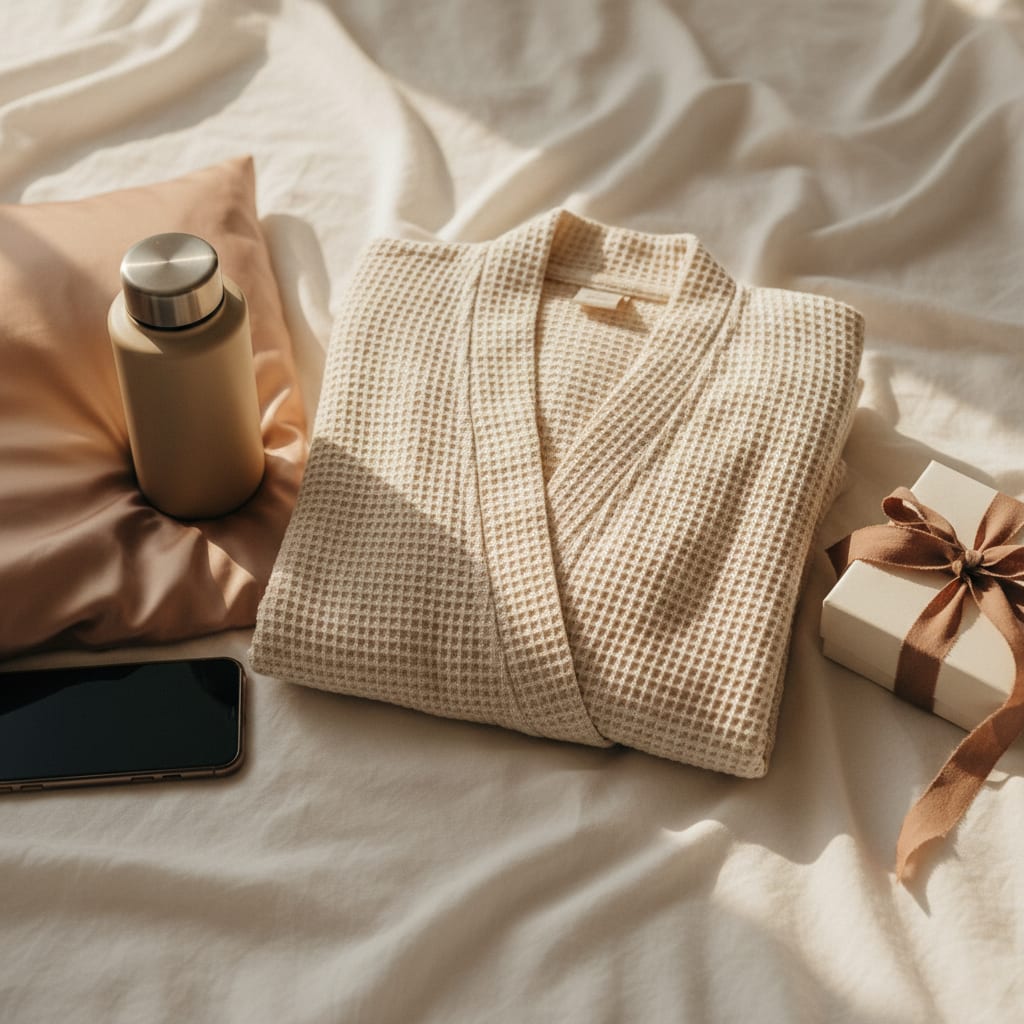
The New-Mom Gift Guide: What She Actually Wants in 2026
Gifts new moms actually use — no novelty mugs. The Betteroo sleep app that saved us, the robe that isn't hideous, and more picks grouped by budget.
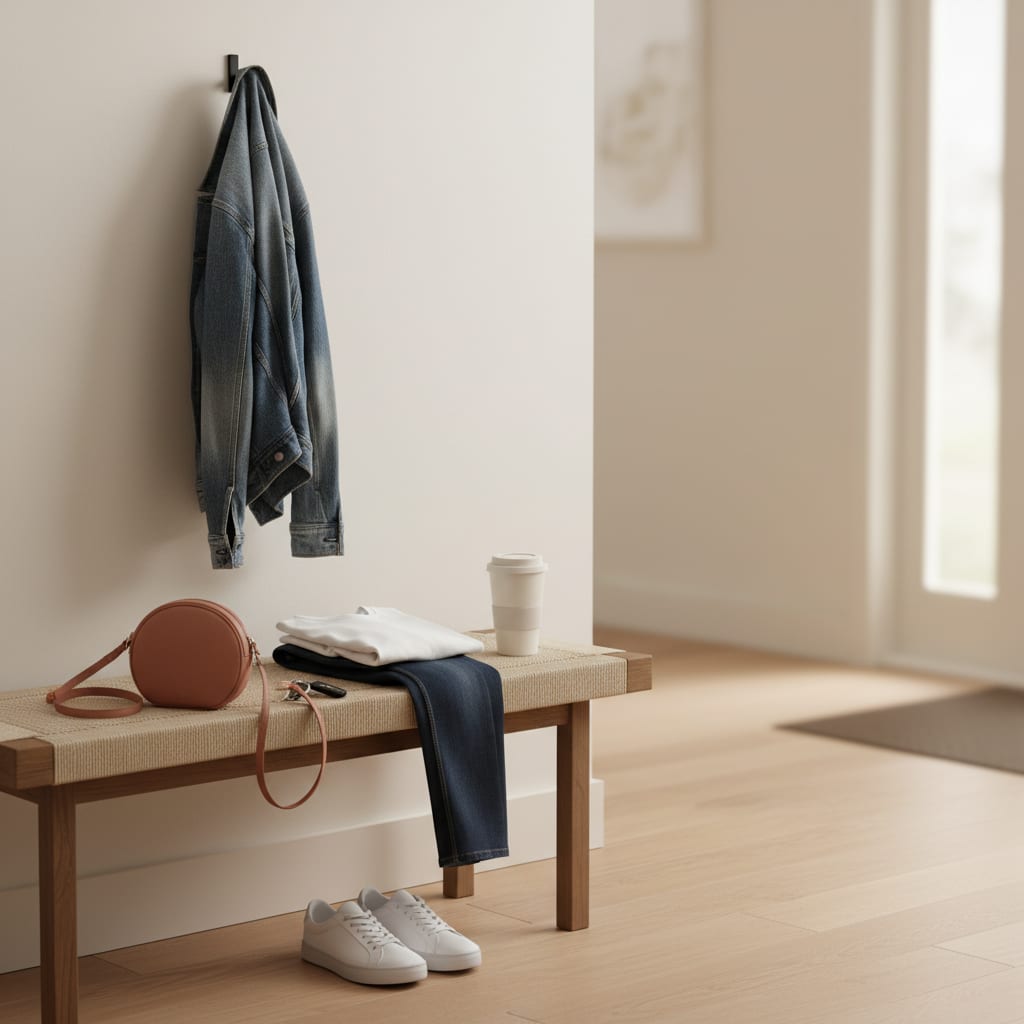
School Drop-Off Outfits: Look Awake in 90 Seconds
School drop-off outfits that take ninety seconds: the two-piece rule, eight get-out-of-the-car combinations, and the three things that undo the whole look.
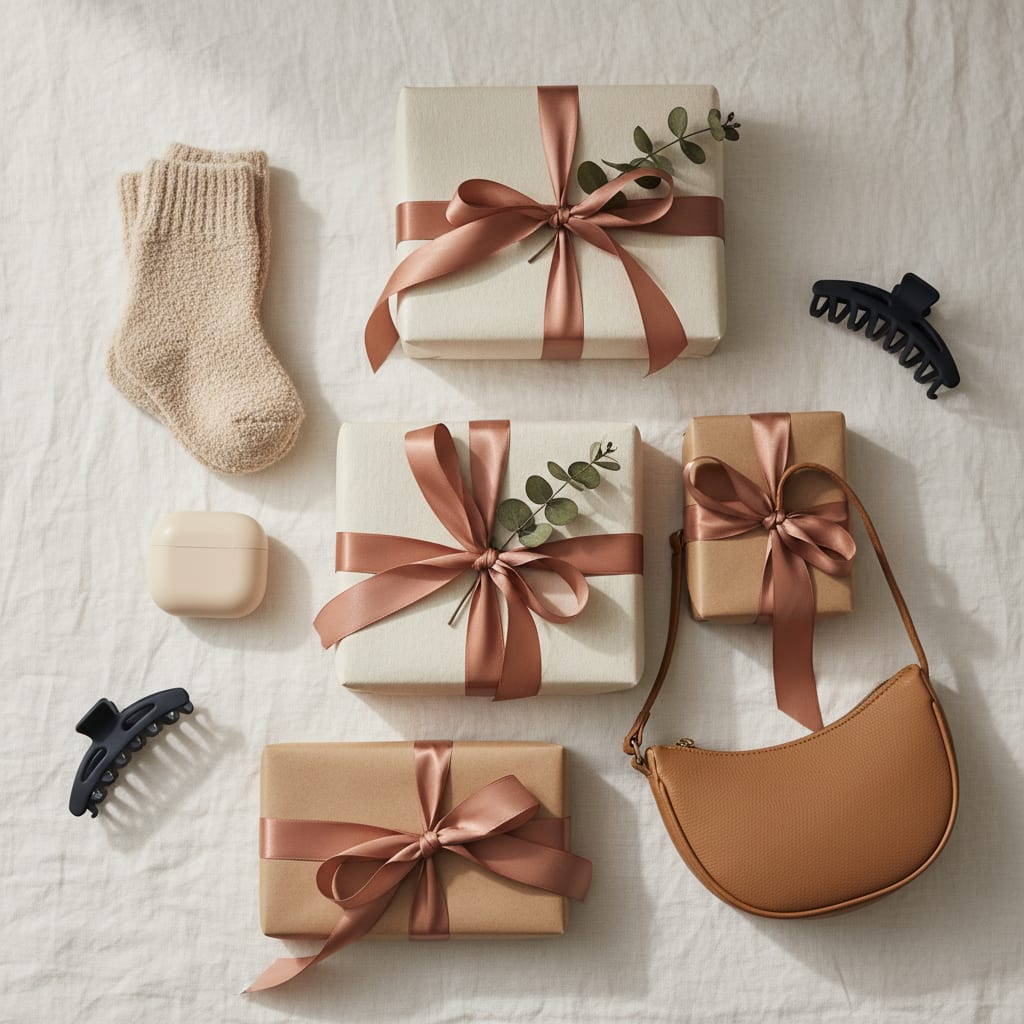
The 2026 Gift Guide for Teen Girls (Vetted by an Actual Teen)
Gifts for teen girls, grouped by budget and vetted line-by-line by my fourteen-year-old. What actually lands, what got vetoed, and the receipt rule.